

Buying a Home With Solar Panels in Los Angeles? 3 Things You Must Check First
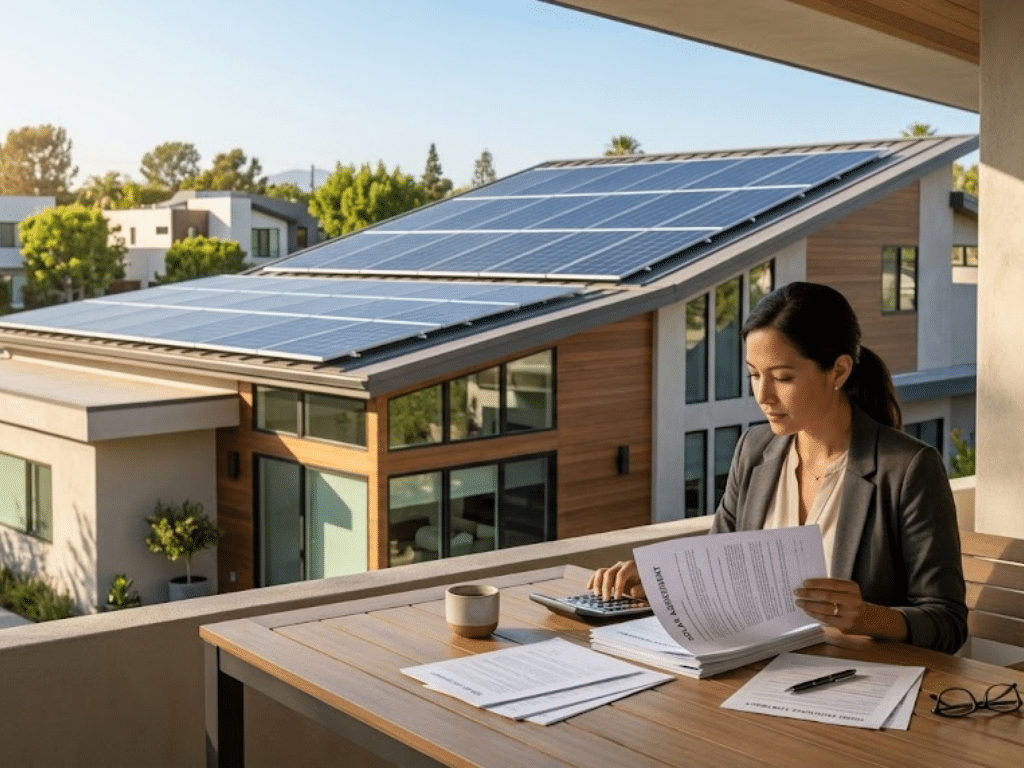
Solar panels can be an attractive feature when buying a home in Los Angeles. They may help reduce electricity costs, improve energy efficiency, and make a property more appealing. But before you make an offer, it’s important to understand one thing: not all solar systems come with the same financial responsibilities.
Depending on how the system was purchased, you could inherit a paid-off asset, an outstanding solar loan, or a long-term lease with payments that increase over time.
For home buyers in Los Angeles, the San Fernando Valley, Porter Ranch, and surrounding Southern California communities, understanding the solar agreement before entering escrow can help you avoid unexpected costs and make a more informed decision.
The 3 Types of Solar Systems You’ll Find When Buying a Home
Before deciding whether a home with solar panels is right for you, find out how the system is structured.
1. Owned Solar Systems
A fully paid-off solar system is often the simplest arrangement for a buyer. There are no remaining loan payments or lease obligations associated with purchasing the equipment.
The homeowner can benefit from the system without taking on an existing solar financing agreement. However, buyers should still review available documentation, the system’s condition, warranties, and any applicable maintenance responsibilities.
2. Solar Systems With Loans
Some homeowners finance their solar panels through a loan. When the property is sold, the outstanding balance must be addressed according to the loan terms and the purchase agreement.
In some transactions, the seller pays off the remaining balance during escrow. In others, the buyer may consider assuming the loan, provided the lender and transaction terms allow it.
For example, the video discusses a transaction in which a seller paid off a $30,000 solar loan. The important lesson is to determine who will be responsible for the balance and how the payment affects your overall housing budget.
3. Leased Solar Systems
Solar leases require extra attention because the solar company typically owns the equipment, while the homeowner makes payments under a contract.
Some leases include annual payment increases, also known as escalators. A payment that seems manageable today could become considerably more expensive over the remaining contract term.
The video shares a real estate example involving a seller whose solar lease included a 2.9% annual increase and had approximately 22 years remaining. According to the example, the payment could exceed $600 per month by the end of the lease. The seller was exploring a buyout because prospective buyers were reluctant to assume the agreement.
This illustrates why reviewing the actual contract matters. A solar lease can affect your monthly expenses, your options when selling the property, and negotiations with the seller.
3 Things to Do Before Buying a Home With Solar Panels
1. Confirm Exactly How the Solar System Is Structured
Don’t assume the solar panels are fully paid off just because they’re installed on the roof.
Ask the seller whether the system is owned outright, financed through a loan, or leased from a solar company. Request the relevant documents so you can verify the arrangement.
This distinction determines whether you’ll be taking on additional payments or contractual obligations.
2. Review the Entire Solar Agreement
Looking only at the current monthly payment doesn’t give you the complete financial picture.
Review the agreement for:
- The original contract term and remaining years.
- The current monthly payment.
- Any annual escalator or scheduled payment increases.
- The total projected cost over the remaining term.
- The buyout amount and how it may change.
- Transfer requirements, approval conditions, and other obligations.
- Equipment details, warranties, and maintenance responsibilities.
A payment that appears affordable today may look very different when projected over many years. Understanding these terms can also help you anticipate questions a future buyer might ask when you eventually sell the home.
3. Understand Your Options Before Making an Offer
Before committing to the property, decide how you want the solar arrangement handled.
Depending on the contract and the seller’s willingness to negotiate, possible options may include asking the seller to pay off the loan, negotiating a lease buyout, or agreeing to assume an existing obligation if permitted.
Discuss these possibilities with your real estate agent early in the process. It’s easier to evaluate your options before making an offer than to discover unexpected costs after you’ve invested time and money in inspections and escrow.
3 Essential Questions to Ask About a Solar Lease
If the home has a leased solar system, make sure you have clear answers to these three questions before moving forward.
Question 1: Does the Lease Have an Annual Escalator?
Find out whether the payment increases each year and, if so, by how much.
An annual increase of 2.9% or 3% may seem small at first, but repeated increases can significantly change the cost over a long contract term. Ask for the payment schedule so you can see how the obligation may grow.
Question 2: What Is the Total Cost Over the Remaining Term?
Don’t focus exclusively on what you’ll pay this month.
Calculate the projected cost over the years remaining on the agreement, accounting for scheduled increases where applicable. This helps you compare the lease with other possible arrangements and understand its impact on your budget.
Question 3: What Is the Buyout Cost Today, and Can It Change?
Ask the solar company for the current buyout amount and the terms governing future changes.
This information matters if you want to exit the agreement, negotiate a payoff during the purchase, or sell the property later. A buyout can involve a substantial expense, so it’s important to understand the amount and requirements before agreeing to the transaction.
How Solar Panels Can Affect Your Future Resale
Solar panels aren’t automatically a problem. A well-understood system may be a useful feature, particularly when it helps manage electricity costs.
However, a loan or lease with significant remaining obligations can complicate a future sale. Prospective buyers may be concerned about additional monthly payments, transfer requirements, or the total cost of the agreement.
If you’re buying a home today, think beyond the immediate benefits. Consider how the solar system could affect your finances throughout the time you own the property and how the arrangement might be viewed when you decide to sell.
The Bottom Line for Los Angeles Home Buyers
Buying a home with solar panels can make sense, but the financial details matter just as much as the equipment itself.
Before making an offer, identify the type of system, review the complete agreement, and understand your options for handling any outstanding loan or lease. If the contract is unclear, consider getting guidance from your real estate professional and the appropriate solar or legal specialist before committing.
For buyers searching in Los Angeles, Porter Ranch, the San Fernando Valley, the South Bay, or the San Gabriel Valley, a careful review can help you understand the full cost of a property and negotiate with greater confidence.
The goal isn’t simply to buy a home with solar panels. It’s to understand exactly what you’re agreeing to before you buy.
Watch the Video
Watch Scott Himelstein of the Scott Himelstein Group explain the differences between owned solar systems, solar loans, and solar leases, including the real-life example of a lease with annual payment increases.
If you’re considering a home with solar panels and aren’t sure whether the agreement makes financial sense, reviewing the numbers before making an offer can help you make a more informed decision.
Work with Scott