

What to Look for When Touring a Granada Hills Home in 2026
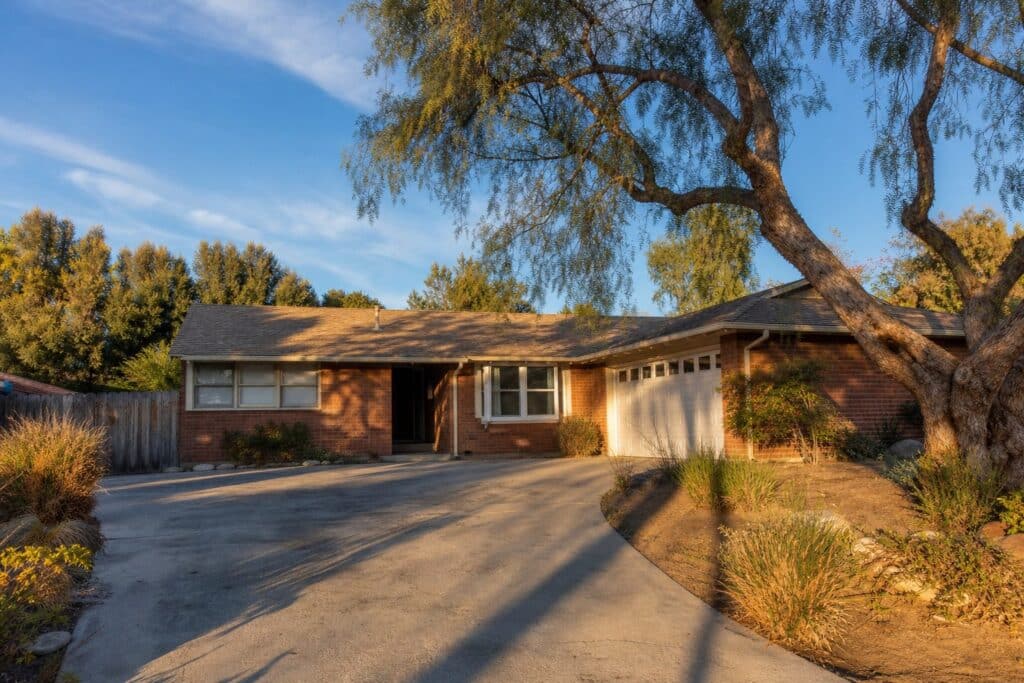
What should buyers look for when touring a Granada Hills home?
Focus on foundation and seismic retrofitting, HVAC condition, plumbing and electrical systems, lot usability, school attendance boundaries, and how the home’s price per square foot compares to the neighborhood median of $545, per Resideline data as of September 2026.
Why This Matters Right Now in Granada Hills
If you are actively touring homes in Granada Hills, you are walking into a market where condition matters more than it has in years. As of September 2026, the median sold price across 268 closings sits at $1,000,000, according to Resideline data. But here is the part most buyers miss: the gap between what sells fast and what lingers is enormous. Updated, move-in-ready homes are going under contract in 14 to 22 days, while homes with deferred maintenance are sitting 45 to 60+ days on market. That tells you something important. The market is punishing sellers who have not maintained their homes, and rewarding the ones who have. Your job during every tour is to figure out which side of that line a property falls on. With 21 years of experience and over 500 closed transactions across the San Fernando Valley, I can tell you: what you notice (or miss) during a showing can mean the difference between a smart investment and an expensive headache.
Structural Red Flags You Need to Catch in a Granada Hills Home
Most of the housing stock in Granada Hills was built between the late 1950s and early 1970s. That means the typical home you are touring is 55 to 70+ years old. Beautiful character, sure, but also decades of wear on the systems that actually keep a house functioning.
Foundation and Earthquake Readiness
Granada Hills sits near the epicenter of the 1994 Northridge earthquake, and that history is literally baked into the neighborhood’s built environment. When you walk through a home here, look down before you look around. You want to see evidence of earthquake retrofitting: bolted foundations and cripple wall bracing. Visible foundation cracks, sloping floors, or doors that stick are all signals to investigate further.
Plumbing and Electrical Systems
Pre-1970s homes in this area may still have galvanized steel pipes, which corrode from the inside out. During your tour, turn on multiple faucets. Low water pressure or discolored water is a red flag. On the electrical side, look at the panel. If the home still has a fuse box instead of a breaker panel, or if you see aluminum wiring, you are looking at a potential five-figure upgrade. What I tell my clients is this: these are not cosmetic issues you can ignore. They are safety and insurance concerns that directly affect your cost of ownership.
HVAC and Climate Comfort in Granada Hills
Summers this far north in the San Fernando Valley run genuinely hot, regularly exceeding 100 degrees. Air conditioning is not a luxury here; it is a utility. When you tour a home, ask about the age and type of the HVAC system. A unit that is 15+ years old is nearing the end of its life, and replacement costs run $8,000 to $15,000 or more depending on the setup.
Check the windows, too. Many original Granada Hills homes still have single-pane aluminum-frame windows. They look dated, but more importantly, they bleed energy. Double-pane windows make a meaningful difference in both comfort and your monthly LADWP bill. According to the research, typical utilities in Granada Hills run $230 to $340 per month, per compiled local cost data, but that number can spike significantly in a poorly insulated home.
So how do you tell if a home’s HVAC is doing its job? Walk the house with the system running. Feel for hot spots. Check if every room reaches a comfortable temperature. These small observations during a 30-minute tour can save you thousands in the first year alone.
Lot Size, Outdoor Space, and ADU Potential in Granada Hills
One of the things that sets Granada Hills apart from denser neighborhoods in Los Angeles is lot size. Homes here typically sit on 6,000 to 10,000+ square foot lots, and that space matters more than most buyers initially realize.
Evaluating the Yard and Pool
Pool homes in Granada Hills command a $50,000 to $100,000 premium over comparable non-pool listings, according to market research. But a pool is only a premium if it is in good condition. During your tour, look for cracked plaster, outdated equipment, and signs of leaks around the decking. A neglected pool can become a $20,000+ repair bill before you ever enjoy a swim.
Beyond the pool, assess the lot itself. Is it flat and usable, or is it on a hillside with drainage concerns? Homes on larger, flatter lots between Rinaldi and Chatsworth Street consistently attract the strongest buyer interest.
The ADU Opportunity
Here is something I always bring up with my clients touring in Granada Hills: ADU-equipped single-family homes have appreciated 9.3% over two years, the highest of any property type in the neighborhood, according to compiled market data. If the lot is large enough and zoning allows it, you may be looking at a property that can generate $2,200 to $2,800 per month in rental income. Even if the home does not have an ADU today, evaluating the lot for future ADU potential is one of the smartest things you can do during a tour.
Which Pocket of Granada Hills You Are Buying Into
Not all of Granada Hills is priced the same, and during your tour, you need to understand the micro-zone you are standing in.
- Knollwood and the hills above Balboa carry a luxury median of $1.6M to $2.2M, with custom homes on large lots
- Granada Hills South (1950s to 1970s tract homes) runs $850K to $925K, per market segmentation data
- The O’Melveny Park adjacent zone shows the strongest appreciation trend at 7.2%, driven by remote work buyers seeking proximity to trails and open space, according to compiled area analysis
- The Balboa and Chatsworth Boulevard corridor shows the fastest volume growth at 15%, as commercial improvements attract new buyer interest, per the same analysis
Why does this matter to you? Because two homes at the same price point can have very different appreciation trajectories depending on which pocket they sit in. When I work with buyers across both Porter Ranch and Granada Hills, I see this dynamic constantly. Porter Ranch median prices of $1,180,000 are rising 5 to 6% annually according to market data, pushing premium buyers eastward into Granada Hills. That spillover is real, and it is concentrated in the western and northern pockets of the neighborhood.
Schools, Walkability, and Lifestyle Factors to Verify During Your Tour
If you are buying in Granada Hills with kids (or planning to have them), school boundaries should be part of every single tour. Here is why: Granada Hills Charter holds a GreatSchools rating of 9 out of 10 and ranks number 7 among the best charter K through 12 schools in America, according to Niche. That reputation translates to roughly $110,000 to $140,000 in home value premium, per C.A.R. data. But not every home in the 91344 ZIP code falls within the same attendance zone.
During your tour, verify which school boundaries apply to the specific property. Frost Middle School carries a 7 out of 10 GreatSchools rating with a 6 to 8% home value premium for surrounding properties. Danube Avenue Elementary and Tulsa Street Elementary hold 6 to 7 out of 10 ratings per GreatSchools. These distinctions matter financially.
Beyond schools, pay attention to the neighborhood feel when you arrive. Walk the block. Can you see yourself grabbing coffee at House Roots Coffee on a Saturday morning, browsing the Granada Hills Farmers Market and Food Truck Grubfest, or letting your kids play at Petit Park? The lifestyle fit is something no inspection report captures, but it is one of the biggest predictors of long-term satisfaction. O’Melveny Park, LA’s second-largest park, is right here with miles of mountain trails, and the historic Deodar Pine Trees on White Oak Avenue are one of the most distinctive features anywhere in the Valley.
Pricing Reality: What the Numbers Should Tell You on Your Tour
Here is a number I want you to carry with you on every showing: $545 per square foot. That is the median sold price per square foot in Granada Hills as of September 2026, according to Resideline. The middle 50% of closings ranged from $478 to $639 per square foot. If a home you are touring calculates significantly above that range, you need a clear reason why, such as a full renovation, premium lot, or Knollwood location.
Also worth noting: as of August 2026, 48% of Granada Hills listings have had price decreases, while only 1% have seen increases, per market tracking data. That means you likely have room to negotiate, especially on homes that have been sitting. With a list-to-sale ratio near 99.1% as of May 2026 per C.A.R. data, the market is close to asking price on well-priced homes, but the leverage shifts in your favor on overpriced or deferred-maintenance properties.
Frequently Asked Questions About Touring Granada Hills Homes
What is the biggest structural concern in Granada Hills homes?
Foundation condition and earthquake retrofitting. Because this neighborhood sits near the 1994 Northridge earthquake epicenter, you should look for bolted foundations and cripple wall bracing. Unretrofitted homes may require significant investment, and your lender or insurer may require the work before closing.
How important is air conditioning in a Granada Hills home?
It is essential, not optional. Summer temperatures regularly exceed 100 degrees this far north in the San Fernando Valley. A home without functioning central air conditioning will be uncomfortable and expensive to cool with window units. Check the HVAC age during every tour.
What should I know about the schools before buying in Granada Hills?
Granada Hills Charter holds a 9 out of 10 GreatSchools rating and ranks among the top charter schools nationally, per Niche. However, not every property falls within the same attendance zone. Verify boundaries for each specific home you tour, since the school premium can add $110,000 to $140,000 to property values, per C.A.R. data.
Are pool homes worth the premium in Granada Hills?
Pool homes typically sell for $50,000 to $100,000 more than comparable non-pool listings, according to market research. In a climate this hot, a well-maintained pool adds real lifestyle and resale value. However, inspect pool equipment and plaster carefully, since deferred pool maintenance can be very expensive.
What is the median home price in Granada Hills right now?
As of September 2026, the median sold price is $1,000,000 across 268 tracked closings, according to Resideline. The middle 50% of sales fall between $849,999 and $1,190,000, so pricing varies significantly by pocket and condition.
How quickly are Granada Hills homes selling in 2026?
Updated, move-in-ready homes are selling in 14 to 22 days, per market tracking data. Homes with deferred maintenance or overpricing are sitting 45 to 60+ days. This bifurcation means the condition of the home you are touring directly predicts how competitive your offer needs to be.
Should I check for galvanized plumbing during my tour?
Yes. Pre-1970s homes in Granada Hills may still have galvanized steel pipes, which corrode internally over time. Turn on multiple faucets during your tour. Low water pressure or discolored water are warning signs that a full repipe may be needed.
What is ADU potential and why does it matter here?
ADU-equipped homes in Granada Hills have appreciated 9.3% over two years, the highest of any property type in the neighborhood, per compiled market data. Larger lots may qualify for an accessory dwelling unit that can rent for $2,200 to $2,800 per month. Evaluating this during your tour adds a financial dimension most buyers overlook.
How do Granada Hills prices compare to neighboring Porter Ranch?
Porter Ranch carries a median price of $1,180,000, rising 5 to 6% annually, according to market data. That pricing pressure pushes some buyers eastward into Granada Hills, where you can often get a larger lot and more established landscaping for less money.
What permits should I ask about when touring a Granada Hills home?
Ask specifically about permits for any additions, garage conversions, kitchen or bathroom remodels, and patio enclosures. Unpermitted work is common in older neighborhoods and can create problems with insurance, resale, and appraisals. Your agent should help you verify permit history through LA Department of Building and Safety records.
The Bottom Line on Touring a Granada Hills Home
Touring a home here is not just about how the kitchen looks or whether you like the paint color. It is about evaluating a 55 to 70 year old structure in an earthquake zone, understanding which micro-pocket of the neighborhood you are buying into, and knowing how the numbers stack up against a median of $545 per square foot. With over 500 closed transactions and 21 years of experience across the San Fernando Valley, including deep expertise in neighboring Porter Ranch where I have guided buyers through everything from new construction to luxury resale properties, I bring that same level of local knowledge to every Granada Hills tour. If you are ready to tour homes here with someone who knows what to look for and how to protect your investment, reach out to me, Scott Himelstein, at 818-396-3311 or visit ScottWorks4u.com. Rated 5.0 out of 5 stars across 103 client reviews, I am here to make sure your next home is the right one.
Work with Scott