

Moving to Los Angeles? 4 Things to Know Before You Make the Move
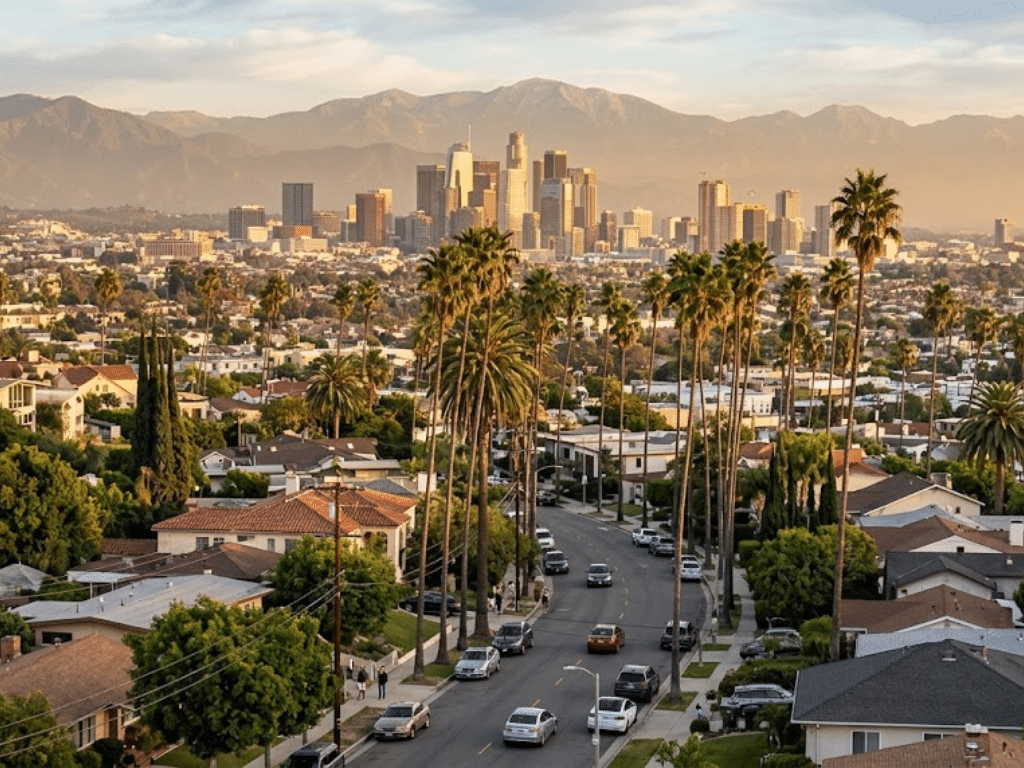
Moving to Los Angeles can be exciting, but life here may look very different from what you see in movies or travel guides. From heavy traffic and high housing costs to dramatic weather differences between neighborhoods, there are several things to understand before deciding where to live.
Scott Himelstein of the Scott Himelstein Group has spent nearly his entire life in Los Angeles and has helped hundreds of people relocate, buy, and sell homes throughout the area. In his guide to moving to LA, he shares four important factors that can shape your everyday experience.
1. Traffic and Parking Can Affect Your Daily Routine
Los Angeles is a sprawling region made up of many distinct neighborhoods and communities. Even places that look close on a map can take much longer to reach than expected, especially during rush hour.
A drive of 10 miles might take around 15 minutes during a quiet period or considerably longer when traffic builds. Freeways such as the 405, 101, and 10 can become major bottlenecks, making commute planning an important part of choosing where to live.
Parking is another consideration. In popular areas such as West Hollywood and Downtown Los Angeles, finding a convenient spot can take time. Parking garages can also add to your regular expenses, particularly when dining out or attending events.
What to consider: Before choosing a home, look beyond the distance between your house and workplace. Test the commute at the times you would normally travel, research parking options, and think about how often you will need to drive.
2. Understand the Real Cost of Living in Los Angeles
Los Angeles can be expensive, but housing costs vary considerably from one community to another. Your budget will influence the neighborhoods and property types worth exploring.
In the video, Scott discusses late-2025 housing and rental estimates, including typical single-family home values approaching $1 million in Los Angeles County and one-bedroom rents of roughly $2,500 to $2,700 per month countywide. Actual costs depend on the location, property, and current market conditions.
Neighborhoods such as Santa Monica, Beverly Hills, Manhattan Beach, and Marina del Rey can command higher prices, while areas such as Panorama City, North Hills, and other parts of the region may offer more budget-conscious options.
Housing costs are only part of the picture. Buyers may also need to account for homeowners association fees, property taxes, insurance, utilities, maintenance, and transportation. HOA fees can be particularly important when comparing condos and townhomes.
At the same time, Los Angeles offers opportunities across industries such as technology, entertainment, healthcare, finance, design, and marketing. Whether the move makes financial sense depends on your income, expenses, and personal priorities.
What to consider: Set a realistic monthly budget before house hunting. Include estimated housing expenses, transportation, insurance, and other recurring costs instead of focusing on the purchase price or rent alone.
3. Los Angeles Has Different Microclimates
One of LA’s biggest attractions is its generally mild weather, but conditions can vary significantly depending on where you live.
Coastal communities such as Santa Monica tend to be cooler and can experience cloudy mornings, particularly during the periods commonly called May Gray and June Gloom. Meanwhile, inland neighborhoods in the San Fernando Valley, including Northridge and Woodland Hills, can experience much hotter summer temperatures.
This means two neighborhoods within the greater Los Angeles area can feel like completely different climates on the same day.
Wildfire risk is another factor to research. Depending on the location and conditions, smoke and poor air quality can affect residents. Homebuyers and renters should consider local risks, insurance availability, and whether additional air filtration or other preparations may be appropriate.
What to consider: Visit neighborhoods at different times of the day and during different seasons when possible. Look into summer temperatures, coastal fog, wildfire exposure, and insurance considerations before committing to a location.
4. Los Angeles Is Not One Single Neighborhood Experience
Choosing where to live in Los Angeles is about more than finding a property within your budget. Each community offers a different combination of lifestyle, amenities, commute options, and atmosphere.
Here are a few examples highlighted in Scott’s video:
- Beach communities: Santa Monica, Venice, Manhattan Beach, and Redondo Beach appeal to people who enjoy coastal living and outdoor activities, but housing can be expensive and parking challenging.
- The San Fernando Valley: Many areas offer a more suburban feel, with residential streets, parks, and larger homes.
- Downtown Los Angeles: A more urban environment with restaurants, nightlife, and walkable pockets, along with crowds, noise, and parking considerations.
- Eastside neighborhoods: Echo Park and Silver Lake are known for creative energy, coffee shops, and community character.
- Foothill and hillside communities: Areas such as Calabasas and parts of the surrounding foothills may appeal to those looking for quieter surroundings and scenic views.
These are broad descriptions, and the experience can vary from one street or pocket to another. The best neighborhood for you depends on what matters most, whether that is commute time, schools, outdoor access, restaurants, space, or affordability.
What to consider: Make a list of your priorities before comparing homes. A neighborhood that works well for one person may not suit another, even if both have similar budgets.
Why People Still Choose Los Angeles
Despite the challenges, Los Angeles offers a combination of professional opportunities, cultural diversity, food, outdoor recreation, and varied communities.
Residents can explore restaurants representing cuisines from around the world, spend time at the beach, hike local trails, and enjoy outdoor activities throughout much of the year. The region also has communities built around schools, sports, local businesses, faith groups, and families who have lived there for generations.
Finding the right neighborhood can make a significant difference in how connected and comfortable you feel after moving.
Find the Right Los Angeles Neighborhood for You
Relocating to Los Angeles requires more than searching for a home online. Understanding the commute, planning for the full cost of living, learning about local weather patterns, and comparing neighborhood lifestyles can help you make a more informed decision.
If you’re considering a move to Los Angeles, Scott Himelstein and the Scott Himelstein Group can help you explore neighborhoods that align with your lifestyle, commute, and budget.
Watch the video
Watch Scott’s video, “4 Things You Need to Know Before Moving to Los Angeles,” for more insight into LA living and what to consider before choosing your next neighborhood.
Work with Scott