

Why you’re frustrated selling your home in 2025: What Los Angeles sellers need to know
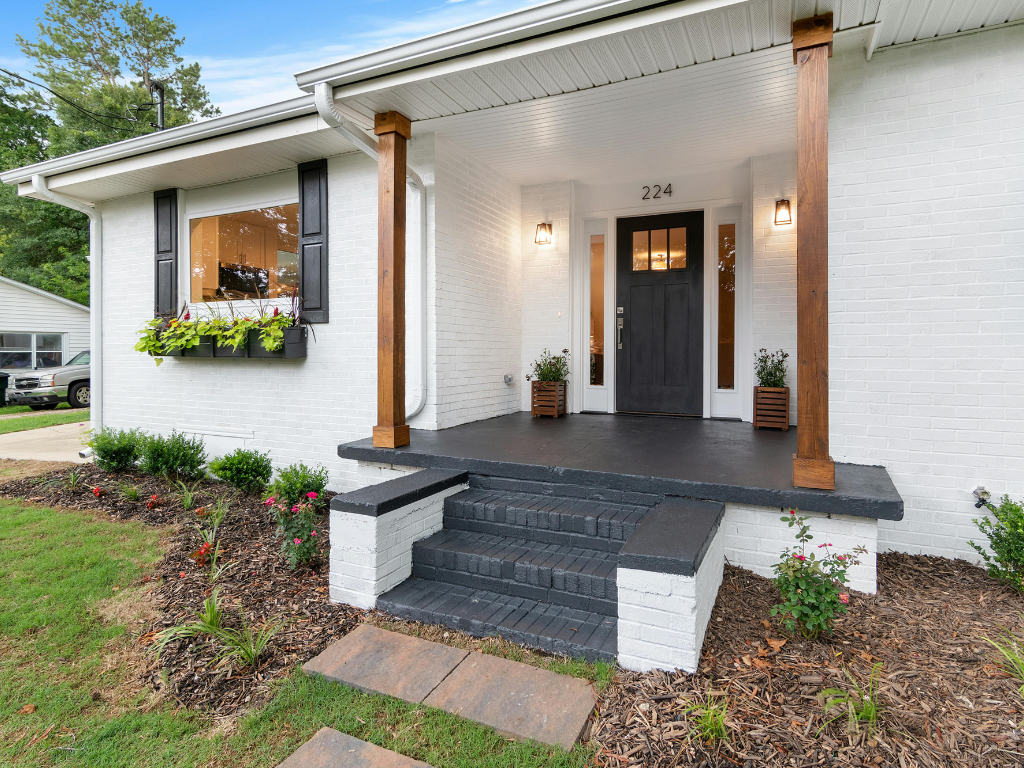
Selling a home can be stressful under any circumstances. But when your property has been sitting on the market longer than expected, showings aren’t turning into offers, or buyers keep negotiating below your asking price, the experience can become especially frustrating.
For many homeowners in Los Angeles and across Southern California, the 2025 housing market brought a different set of challenges. The fast-paced conditions that helped sellers receive multiple offers and strong prices in previous years had cooled. Buyers were becoming more cautious, affordability was under pressure, and growing inventory gave them more properties to consider.
If you’re wondering why your home isn’t selling as quickly as expected, it may not be because there’s something fundamentally wrong with your property. The market itself may have changed, and your selling strategy may need to change with it.
Here are some of the reasons homeowners were feeling frustrated in 2025, along with practical ways to approach the market.
1. The Los Angeles housing market had shifted
One of the biggest adjustments for sellers in 2025 was recognizing that the market was no longer moving at the same pace as it had in previous years.
In the video, Scott shared several figures illustrating this shift:
- Approximately 18% of homes were selling at their asking price, compared with 27% a year earlier.
- Around 60% of homes were going under contract within 30 days, down from 68% the previous year.
These figures pointed to a slower market, not one in which homes were no longer selling. Buyers were simply taking more time, comparing more options, and approaching purchases with greater caution.
The conditions sellers experienced in 2021 and 2022 were no longer a reliable benchmark. Listing a home and immediately receiving multiple offers was not something homeowners could count on.
For sellers, this meant preparing for a more competitive process and making decisions based on current local conditions rather than past market experiences.
2. Strategic pricing matters more than ever
Pricing is one of the most important factors influencing how quickly a home attracts serious buyers.
A property can have beautiful finishes, thoughtful renovations, and an excellent location, but if its asking price is above what buyers believe it is worth, those advantages may not be enough to generate offers.
In a slower market, buyers have more room to compare properties. They may skip homes that appear overpriced, even if those homes have desirable features.
Scott emphasized that pricing should be based on comparable recent sales, current competition, and buyer activity in the neighborhood. It should not be based solely on what a seller hopes to receive or what a neighbor’s home sold for under different market conditions.
A strategic asking price can help attract attention early, encourage showings, and create opportunities for stronger negotiations.
3. Buyers are more cautious because affordability is a challenge
Mortgage rates and home prices both influence what buyers can realistically afford.
Scott noted that mortgage rates had risen from approximately 3% in 2019 to around 6.5% to 7% in 2025. That change could significantly increase monthly mortgage payments, making homeownership more expensive for buyers.
He also referenced Los Angeles County buyer affordability falling below 16% at the time of the recording.
When buyers have less purchasing power, they tend to be more selective. They may negotiate more aggressively, request concessions, or walk away from properties that do not fit their budgets.
This creates a challenge for sellers who expect buyers to pay a premium simply because a home has received cosmetic improvements.
Understanding what buyers can afford is an important part of setting a realistic price and preparing for negotiations.
4. Unrealistic price expectations can keep a home on the market
One common source of frustration is the gap between what sellers believe their homes are worth and what buyers are currently willing to pay.
For example, a homeowner might look at a neighbor’s previous sale and assume their own property should command an even higher price after adding fresh paint or new carpeting.
However, comparable sales need to be evaluated carefully. The timing of the sale, property condition, location, features, and changing market conditions all matter.
A sale from a year earlier may not accurately reflect what buyers are willing to pay now.
Scott also discussed seeing appraisers note signs of slowing demand in certain neighborhoods. This reinforces the importance of looking at objective market evidence rather than relying entirely on personal expectations.
If you’re uncertain about your home’s value, ask your real estate agent to explain the comparable sales and pricing strategy. You can also consider an independent appraisal for another professional perspective.
The goal is not to undervalue your property. It’s to understand where it stands in the market and price it in a way that attracts qualified buyers.
5. Rising inventory gives buyers more choices
Another challenge discussed in the video was the increase in available homes.
Scott referenced National Association of REALTORS® data showing that inventory had been rising throughout 2025, moving closer to or above some pre-pandemic levels. He also described a substantial increase in Southern California inventory compared with the unusually low levels during the pandemic.
When more homes are available, buyers have more choices. They can compare asking prices, property conditions, locations, and features before deciding which homes deserve their attention.
This puts additional pressure on sellers to make their properties stand out.
A home that is overpriced, poorly presented, or difficult to show may struggle to compete against similar listings. Buyers may simply move on to another property that offers better perceived value.
In a market with more competition, sellers need to think carefully about both pricing and presentation.
6. Waiting too long to adjust can mean chasing the market down
Some sellers begin with an asking price that is higher than the market supports. When showings and offers fail to materialize, they eventually decide to reduce the price.
The problem is that the market may have shifted further by the time they make that adjustment.
A price reduction that would have been competitive when the home first launched may no longer be enough weeks later. Meanwhile, new listings may have entered the market, buyers may have moved on, and the property may have accumulated more days on market.
This is what Scott described as chasing the market down.
Instead of waiting for the market to respond to an unrealistic price, sellers should monitor buyer feedback, competing listings, and recent sales from the beginning.
A thoughtful pricing strategy at launch can help prevent repeated reductions and the added stress that comes with a listing that has been sitting for too long.
7. High inventory and lower sales volume create more competition
More available homes do not automatically mean more successful sales.
Scott pointed out that pending home sales in Los Angeles County were lower than in previous years. This meant sellers were facing two challenges at once: more properties competing for buyers and fewer homes moving into contract.
When buyer activity slows, a listing needs to offer a compelling combination of price, condition, location, and presentation.
This is also why sellers should avoid judging their property’s performance based on national headlines alone. A neighborhood may behave differently from the broader Los Angeles market.
Look at the number of comparable homes for sale, how long they have been listed, how many are going under contract, and whether recent sales are closing near or below asking price.
8. Selling can take an emotional toll
The financial side of selling is only part of the experience.
Preparing for showings, keeping the house clean, accommodating open houses, and allowing strangers to walk through your personal space can be exhausting. Receiving low offers or negative feedback can also feel personal, especially when you’ve invested years of care and money into your home.
It’s understandable to feel disappointed when the market does not respond the way you expected.
However, buyer feedback can provide useful information. Repeated comments about the asking price, condition, layout, or presentation may reveal what needs attention.
Try to separate your emotional attachment to the property from the decisions required to sell it. Having a clear plan and a proactive agent can make the process easier to manage.
9. The 2025 market was different from 2024
Another mistake sellers could make was assuming that conditions from the previous year would continue.
Markets change. Buyer demand, mortgage rates, available inventory, seasonal patterns, and economic uncertainty can all influence how quickly properties sell.
Scott also discussed a seasonal slowdown he had observed in Southern California around June, when school breaks and summer travel could affect buyer activity. This is not a universal rule, and timing can vary by neighborhood and year, but it is a factor worth discussing when planning a listing.
The important takeaway is to avoid relying on outdated expectations. Your selling strategy should reflect the conditions buyers are responding to now.
10. Taking your home off the market has risks, too
When a property does not sell, some homeowners consider withdrawing the listing and waiting for a better market.
That can be a reasonable decision in certain circumstances, but waiting does not guarantee a higher sale price later.
Scott highlighted several carrying costs sellers should consider, including property taxes, insurance, and the ongoing expenses of maintaining a home.
Buyers may also continue to face affordability challenges, and there is no guarantee that demand or prices will improve within a year.
Before taking your home off the market, compare the cost of waiting with the potential benefits. Consider your financial situation, timeline, future plans, and the latest conditions in your neighborhood.
The best decision depends on your circumstances, not just the hope that the market will eventually become more favorable.
5 practical tips to improve your chances of selling
Although the market presented challenges, sellers still had opportunities to attract buyers. Scott shared five strategies worth considering.
1. Understand your local market
National housing headlines cannot tell you exactly what is happening in your neighborhood.
Ask your agent to review:
- Recent comparable sales.
- Current competing listings.
- Average days on market.
- Pending sales activity.
- Inventory levels.
- The difference between asking prices and actual sale prices.
These details can help you understand how buyers are responding to properties similar to yours.
2. Price your home strategically
Your asking price should reflect the current market, not simply your preferred sale amount.
Scott discussed pricing slightly below market value as a strategy to attract more attention and potentially encourage multiple offers. Whether that approach makes sense depends on the property, neighborhood, competition, and buyer demand.
Ask your agent to explain the reasoning behind the recommended price, including the comparable properties used to support it.
3. Clean, repair, stage, and present your home well
First impressions matter. Buyers need to be able to picture themselves living in the property, and a clean, well-maintained home can make that easier.
Before listing, consider:
- Deep cleaning the home.
- Removing unnecessary clutter.
- Touching up paint where needed.
- Addressing visible maintenance issues.
- Improving flooring or other worn finishes when worthwhile.
- Staging rooms to make the layout and space easier to understand.
Not every home needs an expensive renovation. Prioritize improvements that address visible issues and make the property more appealing to the buyers most likely to consider it.
4. Work with a proactive real estate agent
Selling in a competitive market requires more than putting a sign in the yard.
A proactive agent should help you evaluate market data, develop a pricing strategy, coordinate marketing, gather feedback, and recommend adjustments when necessary.
You should also receive clear communication about showing activity, buyer responses, competing listings, and changes in market conditions.
Choose someone who can explain the strategy behind their recommendations and keep you informed throughout the process.
5. Be flexible during negotiations
Buyers may request repairs, closing cost assistance, a different closing date, or other changes to the terms of an offer.
Being open to reasonable negotiations can help keep a transaction moving forward.
That does not mean accepting every request or agreeing to terms that do not work for you. It means evaluating the complete offer, including the price, financing, contingencies, requested concessions, and proposed timeline.
Discuss the potential costs and benefits with your agent before making a decision.
You can still sell your home with the right strategy
A slower housing market does not mean your home cannot sell. It means sellers need to approach the process with realistic expectations and a strategy that reflects current buyer behavior.
Pricing, presentation, marketing, and flexibility all play important roles. Just as importantly, understanding your neighborhood’s specific market conditions can help you make better decisions instead of relying on outdated comparisons.
If your home is already listed and you’re feeling frustrated, take a closer look at the feedback, competition, and pricing. If you’re planning to sell, start with a clear understanding of what buyers are currently looking for and what similar properties are actually selling for.
The right strategy can help you move forward with greater clarity, whether you’re preparing to list or deciding what to do with a property that has been on the market longer than expected.
Work with Scott