

Selling a House After the Owner Passes Away: What Every Successor Trustee Should Know
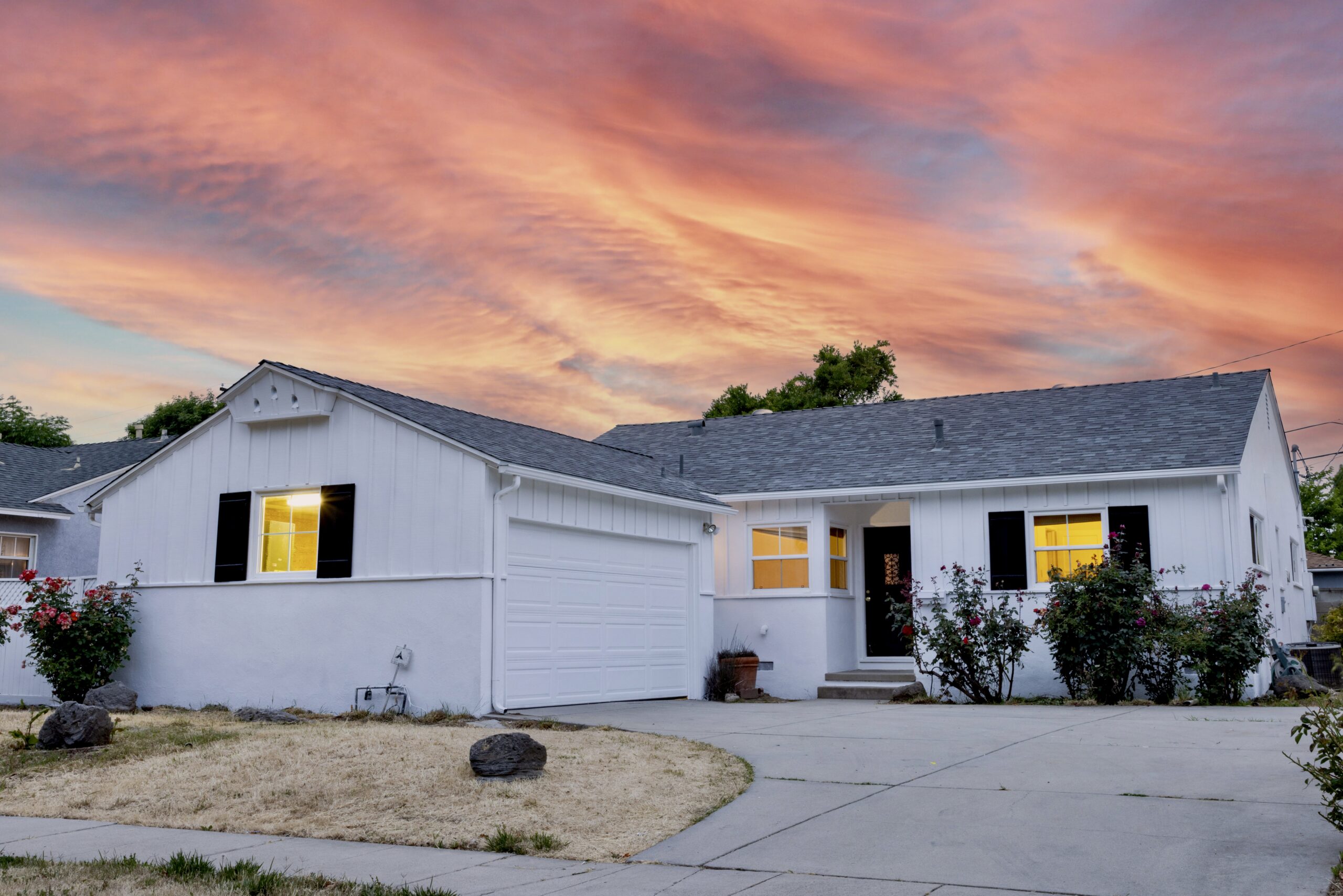
When someone passes away and leaves behind a home held in a trust, the responsibility of managing and eventually selling that property often falls to a successor trustee.
For the person taking on this role, the experience can be unfamiliar. There may be personal belongings to sort through, property maintenance to arrange, legal documents to review, and important decisions about when and how to sell the home.
The responsibility can be especially challenging when the successor trustee is a close friend rather than a family member, lives outside the area, or has never handled a real estate transaction involving a trust.
In California, selling a trust-owned property requires attention to both the trustee’s legal responsibilities and the practical steps involved in preparing and marketing a home.
Understanding the process before making decisions can help successor trustees avoid unnecessary complications and protect the interests of the trust.
Understanding the Role of a Successor Trustee
A successor trustee is the person designated to take over the administration of a trust when the original trustee can no longer serve.
When the original trustee passes away, the successor trustee may become responsible for managing the trust’s assets, following its instructions, and carrying out the deceased person’s wishes.
If the trust includes real estate, this may involve deciding whether the property should be maintained, transferred to a beneficiary, or sold.
Unlike a traditional home sale, a trust property sale involves additional responsibilities. The successor trustee must act according to the trust documents and applicable law, rather than making decisions solely based on personal preferences.
Some of the responsibilities may include:
- Confirming legal authority to administer and sell the property.
- Working with an estate or trust attorney.
- Maintaining the property while it is being administered.
- Addressing outstanding expenses and property-related obligations.
- Determining what should happen to personal belongings.
- Evaluating whether repairs or improvements are appropriate.
- Reviewing offers and making decisions consistent with the trust’s requirements.
- Coordinating the sale and distribution of proceeds.
A successor trustee does not have to be a family member. A homeowner may appoint a trusted friend or another qualified person to serve in this role.
However, the trustee should understand their responsibilities before making decisions involving the property.
The Legal Side of Selling a Trust-Owned Property
Before putting a trust-owned home on the market, the successor trustee should establish that they have the authority to complete the transaction.
This usually begins with reviewing the trust documents and consulting the attorney responsible for advising on the trust administration.
Depending on the circumstances, the attorney may help determine:
- Whether the trust authorizes the sale.
- What documents establish the successor trustee’s authority.
- Whether beneficiaries must receive notice.
- Whether additional legal procedures are necessary.
- What disclosures apply to the property.
- How the property should be transferred through escrow.
Title and escrow companies may also request documentation confirming the trustee’s authority to sell the property.
One common question is whether selling a trust-owned home requires probate.
Property properly transferred into a living trust can generally be administered under the trust without going through a traditional probate proceeding. However, this depends on how the property is titled and the circumstances of the estate. If the home was not properly transferred into the trust, additional legal procedures may be required.
The successor trustee should rely on a qualified California estate attorney for legal guidance.
A real estate agent can coordinate the marketing and transaction process, but legal decisions about the trust should remain with the trustee and their attorney.
What Should Happen to the Home Before It Is Sold?
Once the legal and administrative requirements are understood, attention often turns to the physical property.
A home that has been occupied for many years may require considerable attention before it is ready for the real estate market.
There may be furniture, personal belongings, outdated finishes, deferred maintenance, or areas that need cleaning and repairs.
Rather than immediately arranging a major renovation, the successor trustee should evaluate the property’s condition and determine which improvements are practical.
Start With the Personal Belongings
Clearing a home after someone passes away can be an emotional and time-consuming responsibility.
The property may contain furniture, clothing, appliances, documents, photographs, and other personal possessions.
Before anything is removed, the successor trustee should determine what needs to be retained, distributed, donated, or disposed of according to the trust’s instructions and any applicable legal obligations.
Once the necessary decisions have been made, a professional haul-away service can help remove unwanted items.
Clearing the home also makes it easier to inspect the property, identify maintenance issues, and prepare the interior for cleaning and photography.
Decide Which Improvements Are Worthwhile
Not every trust-owned home needs an expensive remodel.
In many situations, basic preparation can make a significant difference in how buyers perceive the property.
Potential improvements include:
- Fresh interior or exterior paint.
- Professional cleaning.
- Minor repairs and maintenance.
- Landscaping and yard cleanup.
- Removing excess furniture and belongings.
- Repairing damaged fixtures.
- Improving lighting and general presentation.
The important consideration is whether the proposed work makes financial sense.
A successor trustee should avoid spending trust funds on unnecessary improvements without considering the property’s market value, available resources, and likely selling price.
A real estate agent can help evaluate the home and identify preparation work that may improve its marketability.
Should You Sell the Property As-Is or Prepare It First?
There is no single answer for every trust-owned home.
Selling as-is may be appropriate when the property needs extensive repairs, the trust has limited funds, or the trustee wants to avoid managing a lengthy preparation process.
On the other hand, preparing the home before listing may help attract more buyers and improve its presentation.
The decision should consider:
| Consideration | Selling As-Is | Preparing Before Listing |
|---|---|---|
| Initial expenses | Generally lower | May require upfront spending |
| Property condition | Buyers evaluate existing condition | Selected issues are addressed |
| Buyer interest | May appeal to investors and renovation buyers | May appeal to a broader range of buyers |
| Preparation time | Often shorter | Additional time may be needed |
| Potential selling price | Depends on condition and market demand | Improvements may support stronger buyer appeal |
The best approach depends on the property and the trust’s objectives.
For example, when the Scott Himelstein Group helped prepare a trust-owned home at 8129 Darby Place in Reseda, the property needed belongings removed, painting, and cleaning before listing.
Instead of undertaking an extensive renovation, the team coordinated practical preparation with contractors and a haul-away service.
The home was subsequently listed for $699,950, attracted multiple offers, and sold for $767,000.
This illustrates how targeted preparation can help position a property for the market, although results vary depending on the property and market conditions.
How to Price a Trust-Owned Home in California
Pricing is one of the most important decisions in a real estate transaction.
For a successor trustee, the asking price should be supported by relevant market information and reflect the property’s actual condition.
An experienced real estate agent can prepare a comparative market analysis using:
- Recent sales of similar properties.
- Current competing listings.
- Property size and lot dimensions.
- Bedroom and bathroom count.
- Location and neighborhood characteristics.
- Interior and exterior condition.
- Recent improvements.
- Current buyer demand.
The trustee should also consider the costs associated with maintaining the property while it remains on the market.
Vacant homes may still require insurance, utilities, landscaping, security, and ongoing maintenance.
A well-supported pricing strategy can help the trustee make informed decisions and avoid leaving the property on the market longer than necessary.
It is also important to remember that receiving multiple offers or selling above asking price is never guaranteed. Market conditions, property presentation, and buyer demand all influence the final outcome.
Why Professional Marketing Matters for Trust Sales
After the home has been prepared and priced, the next priority is making sure prospective buyers can see its value.
Professional photography, accurate property descriptions, and video tours can help introduce the home to buyers who may not have visited the neighborhood before.
A comprehensive marketing plan may include:
- Professional real estate photography.
- Video walkthroughs.
- Online listing exposure.
- Property descriptions highlighting important features.
- Digital marketing and buyer outreach.
- Open houses and private showings.
The marketing should accurately represent the property’s condition while emphasizing its strongest features.
At 8129 Darby Place in Reseda, professional photography and a YouTube property tour were part of the marketing strategy.
The three-bedroom, two-bathroom home offered approximately 1,235 square feet of living space on a 6,254-square-foot lot. Its features included a bright living room, upgraded kitchen countertops, a newer roof, fresh paint, an attached two-car garage, and a backyard with room for outdoor activities.
The property ultimately sold for $67,050 above its original asking price.
Managing the Sale When the Successor Trustee Lives Out of State
Not every successor trustee lives near the property they are responsible for administering.
Some live in another city or state and cannot personally supervise contractors, attend appointments, or manage the day-to-day preparation.
This can make the process more complicated, particularly when the property needs significant attention.
A local real estate team can help coordinate practical responsibilities such as:
- Meeting contractors and service providers.
- Arranging property cleanup and haul-away.
- Coordinating painting and repairs.
- Communicating with the HOA, when applicable.
- Organizing photography and showings.
- Providing listing and transaction updates.
The trustee should establish a clear communication process and remain involved in important decisions.
Any person signing documents or authorizing work on behalf of the trust must have the appropriate authority.
Working with an attorney, local real estate agent, and qualified service providers can make it easier to manage the property without being physically present every day.
Choosing the Right Real Estate Agent for a Trust-Owned Home
Selling a trust-owned property requires more than finding an agent who can put the home on the MLS.
The successor trustee may need help coordinating several moving parts before the property is ready for buyers.
When interviewing agents, consider their experience with:
- Trust and inherited property sales.
- Working alongside estate attorneys.
- Vacant or neglected homes.
- Property cleanup and haul-away services.
- Contractor coordination.
- Strategic pricing.
- Professional photography and video marketing.
- Negotiating multiple offers.
- Managing the transaction through escrow.
It is also helpful to ask for examples of previous transactions involving similar circumstances.
An agent who understands the practical challenges of trust sales can help the successor trustee organize the real estate responsibilities while leaving legal and financial decisions to the appropriate professionals.
A Closer Look at a Reseda Trust-Owned Home Sale
One example of the responsibilities involved in a trust sale was the property at 8129 Darby Place in Reseda.
After the homeowner passed away, a close friend was responsible for serving as successor trustee and overseeing the sale.
The property needed to be cleared and prepared before it could be marketed.
The Scott Himelstein Group worked alongside the trust attorney, organized the haul-away service, coordinated painting and cleaning with contractors, and developed the property’s pricing and marketing strategy.
The home was listed at $699,950 and attracted multiple offers.
It ultimately sold for $767,000, which was $67,050 above asking price, approximately 9.6% over the original list price.
The experience highlights an important point for successor trustees: the real estate process can be managed more efficiently when legal professionals, contractors, and an experienced local agent work together.
Frequently Asked Questions About Selling a Trust-Owned Home
Can a close friend serve as successor trustee in California?
Yes. A homeowner can generally name a trusted friend as successor trustee instead of a family member. The trust documents establish who may serve and the authority they have. The appointed successor trustee should consult an attorney before taking action involving trust property.
Can a successor trustee sell a house without the beneficiaries’ approval?
The answer depends on the trust documents, the trustee’s authority, and applicable California law. Some trusts authorize the successor trustee to sell property without obtaining individual beneficiary approval, while other circumstances may require notice, consent, or additional procedures. An estate attorney should clarify the requirements.
Does a trust-owned home have to go through probate?
Not necessarily. Property properly held in a living trust can generally be administered under the trust rather than through traditional probate. However, ownership and estate circumstances matter. An attorney should determine whether probate or another legal procedure is necessary.
Can a successor trustee sell a home that needs major repairs?
Depending on the trust’s terms and the trustee’s authority, a property may be sold in its current condition. The trustee should evaluate the costs and benefits of repairs against the potential sale price before deciding whether to renovate or sell as-is.
Who pays for cleaning, painting, and repairs in a trust sale?
Authorized property preparation expenses may be paid from trust funds, depending on the trust’s terms, available assets, and the trustee’s duties. The successor trustee should consult the trust attorney before approving expenses.
How long does it take to sell a trust-owned home?
The timeline depends on the legal administration, property condition, required preparation, pricing, and buyer demand. Some homes can be listed relatively quickly, while others need additional time for documentation, cleanup, or repairs.
Can a successor trustee hire a real estate agent to coordinate property preparation?
Yes, subject to the trustee’s authority and the trust’s terms. A real estate agent can help coordinate services such as haul-away, cleaning, painting, photography, and marketing. The trustee remains responsible for approving decisions and expenses.
What is the best way to price an inherited home?
A comparative market analysis is a useful starting point. It considers recent comparable sales, current listings, property condition, location, size, and buyer demand. The trustee should also consider the trust’s financial circumstances and property maintenance costs.
Need Guidance Selling a Trust-Owned Home in Reseda or the San Fernando Valley?
Being named successor trustee can place significant responsibility on someone who may have never managed a property sale before.
You may be dealing with legal documentation, personal belongings, property maintenance, contractors, and decisions about how to bring the home to market.
The Scott Himelstein Group helps successor trustees and families throughout Reseda and the San Fernando Valley coordinate the real estate side of trust and inherited property sales.
From property cleanup and contractor coordination to pricing, professional marketing, negotiations, and escrow, our team can help make the process more organized and manageable.
You handle the important decisions. We’ll help coordinate the real estate details.
Let Scott work for you.
Contact Scott Himelstein for a complimentary, no-obligation consultation about selling a trust-owned or inherited property.
Work with Scott