

What Buyers Should Know About Homes With Converted Garages in Porter Ranch
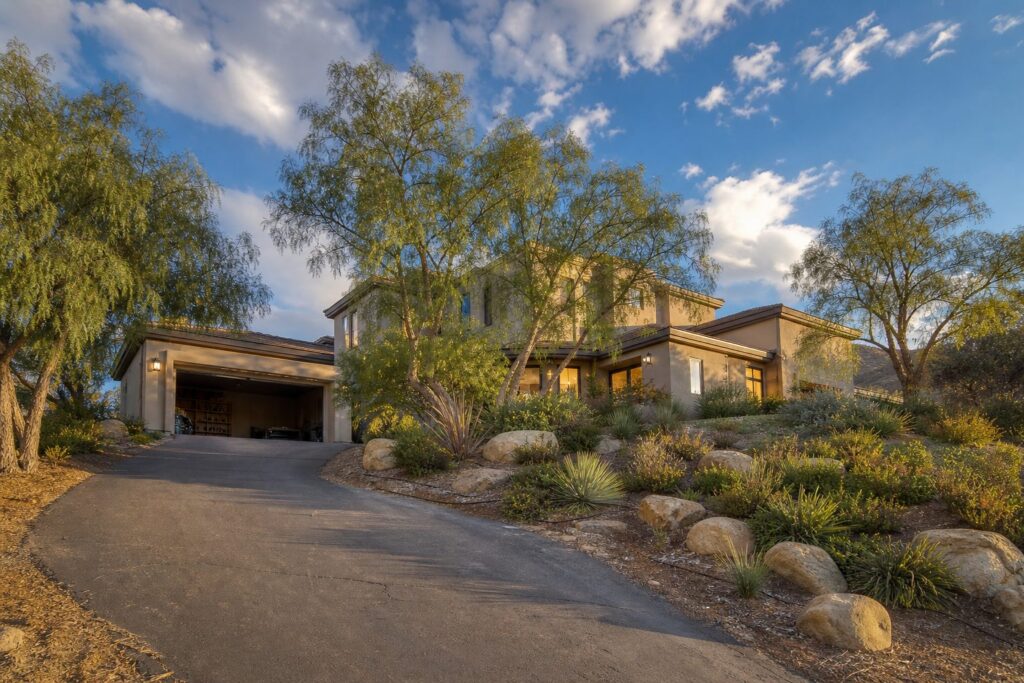
What should you know before buying a Porter Ranch home that has a converted garage?
Before you make an offer on a Porter Ranch home with a converted garage, you need to verify permit status, understand how it affects your financing, and confirm whether that extra square footage is legally habitable space.
Why This Matters Right Now in Porter Ranch
Porter Ranch is a neighborhood where I’ve built my business over many years, and I can tell you this: converted garages are showing up more often in the resale inventory here. The community skews toward larger, newer homes, including developments by builders like Toll Brothers, but the older resale pockets scattered throughout Porter Ranch are where you’ll most commonly encounter garage conversions.
Why does this matter to you right now? Because demand in Porter Ranch continues to be driven by top-rated schools, hillside settings, and that convenient 118 Freeway corridor access. Families looking for multigenerational living space or a home office are drawn to listings that advertise “bonus rooms” or “extra living areas.” But what I tell my clients is simple: not every converted garage is created equal, and the difference between a permitted conversion and an unpermitted one can cost you tens of thousands of dollars after closing.
Having closed over 500 transactions throughout the San Fernando Valley, I’ve seen this scenario play out more times than I can count. Let me walk you through exactly what you need to evaluate.
Permitted Versus Unpermitted Conversions in Porter Ranch Homes
This is the single most important distinction you’ll face. A garage conversion done with proper permits through the Los Angeles Department of Building and Safety is legally recognized as habitable square footage. One done without permits? It is not.
Here’s what that means for you in practical terms. If a Porter Ranch listing advertises 2,400 square feet but 300 of those square feet come from an unpermitted garage conversion, your lender’s appraiser will likely exclude that space from the gross living area calculation. Conventional lenders following Fannie Mae and Freddie Mac guidelines require that any square footage counted toward gross living area be above-grade, legally permitted, and finished to a habitable standard.
What I always recommend to my clients is requesting the Certificate of Occupancy and any final inspection sign-offs as part of your due diligence, ideally before you even write your offer. The permit history is the single most important document to pull, according to guidance from California’s property tax assessment handbook. I’ve walked through this process with buyers countless times over my 21 years in this market, and the clients who do their homework upfront are the ones who avoid unpleasant surprises.
You should also know that if the city identifies an unpermitted conversion after you take ownership, the correction notice becomes your responsibility, not the previous owner’s.
How a Converted Garage Affects Your Financing and Appraisal
So what happens when the appraiser shows up and finds a converted garage? This is where things can get tricky, especially if you’re stretching your budget to buy in Porter Ranch.
If the conversion is unpermitted, the appraiser will not include that space in the official square footage. That means the home may appraise lower than the purchase price, creating an appraisal gap you’ll need to cover out of pocket or renegotiate with the seller. For first-time buyers competing in a neighborhood known for its desirable schools and family-friendly atmosphere, this gap can be a deal-breaker.
What does that actually look like in real life? I had a situation where buyers fell in love with a resale home near the Porter Ranch Town Center. The listing showed generous square footage, but when we dug into the records, it turned out the garage had been converted years earlier without permits. Once the appraisal came back short, we were able to renegotiate the price to reflect the actual permitted living area. That is the kind of outcome you get when your agent knows what to look for before you’re emotionally invested.
My advice: discuss the converted-garage scenario with one of our experienced loan officers before you waive any appraisal contingency. With 103 five-star reviews from past clients, one of the things people consistently tell me they appreciate is that I flag these issues early so they can make informed decisions.
ADU Versus Garage Conversion: Know the Difference in Porter Ranch
You might hear the terms “ADU,” “JADU,” and “garage conversion” used interchangeably, but they are legally distinct categories with very different implications for your purchase.
What Qualifies as an ADU
Under California Government Code Section 66313(a), an Accessory Dwelling Unit must provide “complete independent living facilities for one or more persons,” including a kitchen and bathroom, per the California Board of Equalization’s Letter to Assessors. A converted garage that simply adds a bedroom or bonus room without a full kitchen and bath does not qualify as an ADU. It is classified as additional living area.
The JADU Option
A Junior ADU, or JADU, is capped at 500 square feet and must be contained entirely within the single-family residence, per California Government Code Section 66313(d). State law also sets ADU size ceilings: local agencies may establish maximums up to 850 square feet for a single-bedroom ADU and 1,000 square feet for a multi-bedroom ADU. If a Porter Ranch home’s attached garage has been properly permitted as a JADU, you gain a legally rentable unit, which is a significant asset.
Why does the distinction matter to you? Because ADU and JADU status unlocks rental income potential, favorable tax treatment, and specific legal protections that a simple bonus-room conversion does not. Before you assume a converted garage can generate rental income, confirm which category it falls under.
Property Tax Implications You Cannot Afford to Ignore
Under California’s Proposition 13 framework, the value added by a garage conversion is assessable as new construction at the time the work was completed, per BOE guidance on new construction assessments.
Here’s where it gets interesting. Under current California law, a qualifying ADU completed on or after January 1, 2025 may be eligible for a new-construction assessment exclusion lasting up to 15 years, based on proposed Revenue and Taxation Code Section 74.9 as analyzed by the California Board of Equalization. However, the previous owner must have notified the County Assessor within 30 days of completion and filed all supporting documents within 6 months.
What I tell my clients is this: you need to ask the seller’s agent directly whether that exclusion was claimed and whether it transfers to you as the new owner. A change in ownership can terminate the exclusion. I always recommend confirming current status with a tax professional or the LA County Assessor’s office before relying on any tax benefit as part of your purchase decision.
Parking Replacement and Zoning Rules in Porter Ranch
Here is something many buyers overlook: when a garage is converted, what happens to the parking?
Los Angeles city and county rules have historically required that a replacement parking space be provided when a garage is converted. State ADU law has relaxed this requirement in many transit-adjacent situations, but Porter Ranch is not typically classified as a high-frequency transit corridor. That means the original parking replacement requirement likely still applies.
You should verify with the LA Department of Building and Safety whether the conversion included a compliant parking replacement. In Porter Ranch, where hillside lot configurations and community street-parking norms can make on-street parking impractical, losing a two-car garage without a replacement solution affects your day-to-day life and your home’s resale appeal.
Having helped buyers and sellers throughout every pocket of Porter Ranch, I understand how each area behaves. Near the newer Toll Brothers developments, buyers expect pristine garage spaces. In the older resale pockets, converted garages are more common, but savvy buyers still want to know the parking situation before closing.
Frequently Asked Questions
Does a converted garage count toward a home’s official square footage in Porter Ranch?
Only if the conversion was done with proper permits and received final inspection approval from the LA Department of Building and Safety. Unpermitted conversions cannot be counted as habitable square footage by lenders or appraisers, which directly affects your loan amount and the home’s appraised value.
Can I get a mortgage on a Porter Ranch home with an unpermitted garage conversion?
Conventional lenders require that all counted square footage be legally permitted and finished to habitable standards. If the conversion is unpermitted, the appraiser will exclude it, potentially causing an appraisal gap. You may still get financing, but the loan will be based on the permitted square footage only.
What is the difference between an ADU and a simple garage conversion?
An ADU must provide complete independent living facilities, including a kitchen and bathroom, per California Government Code Section 66313(a). A garage converted into a bedroom or bonus room without those features is simply additional living area, not a legal ADU, and cannot be rented as a separate dwelling.
How do I find out if a garage conversion in Porter Ranch was permitted?
Request the permit history from the LA Department of Building and Safety. You should also ask the seller for the Certificate of Occupancy and any final inspection records. Your Porter Ranch real estate agent should pull these records as part of standard due diligence before you write an offer.
Will a converted garage affect my property taxes?
Yes. Under California’s Proposition 13 framework, the value added by a conversion is assessable as new construction. If the prior owner completed a qualifying ADU on or after January 1, 2025, a tax exclusion of up to 15 years may apply, but only if proper notification was filed with the County Assessor.
Can I convert a garage back to parking after I buy the home?
You can, but you will need permits for the reverse conversion, and the cost can be substantial. Before buying, evaluate whether you actually want or need the converted space versus the original garage function, especially in hillside areas of Porter Ranch where street parking is limited.
Does a garage conversion add value to a Porter Ranch home?
A properly permitted conversion that adds functional living space can add value. An unpermitted conversion, however, adds legal liability and can actually reduce value by creating appraisal issues and scaring off future buyers. Permit status makes all the difference.
What is a JADU and does it apply to Porter Ranch garages?
A Junior ADU is capped at 500 square feet and must be entirely within the single-family residence, per California Government Code Section 66313(d). An attached garage properly permitted as a JADU gives you a legally rentable unit, which is a significant benefit for Porter Ranch buyers seeking income potential.
Do I need to replace the parking space if the garage was converted?
In most Porter Ranch locations, yes. Because the area is not classified as a high-frequency transit corridor, traditional parking replacement requirements generally apply. Verify compliance with the LA Department of Building and Safety before closing.
Should I hire a separate inspector for a converted garage?
Absolutely. A standard home inspection may not catch all code issues related to a garage conversion, particularly HVAC, electrical load, egress windows, and fire separation requirements. I always recommend a specialized inspection for any converted space.
The Bottom Line
Buying a Porter Ranch home with a converted garage can be a smart move or a costly mistake, and the difference comes down to doing your homework before you’re under contract. Verify permits, understand whether the space qualifies as an ADU or JADU, confirm parking compliance, and talk to one of our experienced mortgage brokers early about how the conversion affects your financing.
Porter Ranch is not just another market for me. It is an area where I have built long-term relationships and a deep understanding of what drives results. As a Certified Trust and Probate Expert and the founder of the Scott Himelstein Group at Park Regency Realty, I bring over 21 years of San Fernando Valley experience to every transaction. If you are considering a Porter Ranch home with a converted garage, or any home in the San Fernando Valley, I would welcome the chance to walk you through it. Call me at 818-396-3311 and let’s make sure you buy with confidence.
Work with Scott