

Buying an As-Is Home in Los Angeles: Pros, Cons, and What Buyers Need to Know
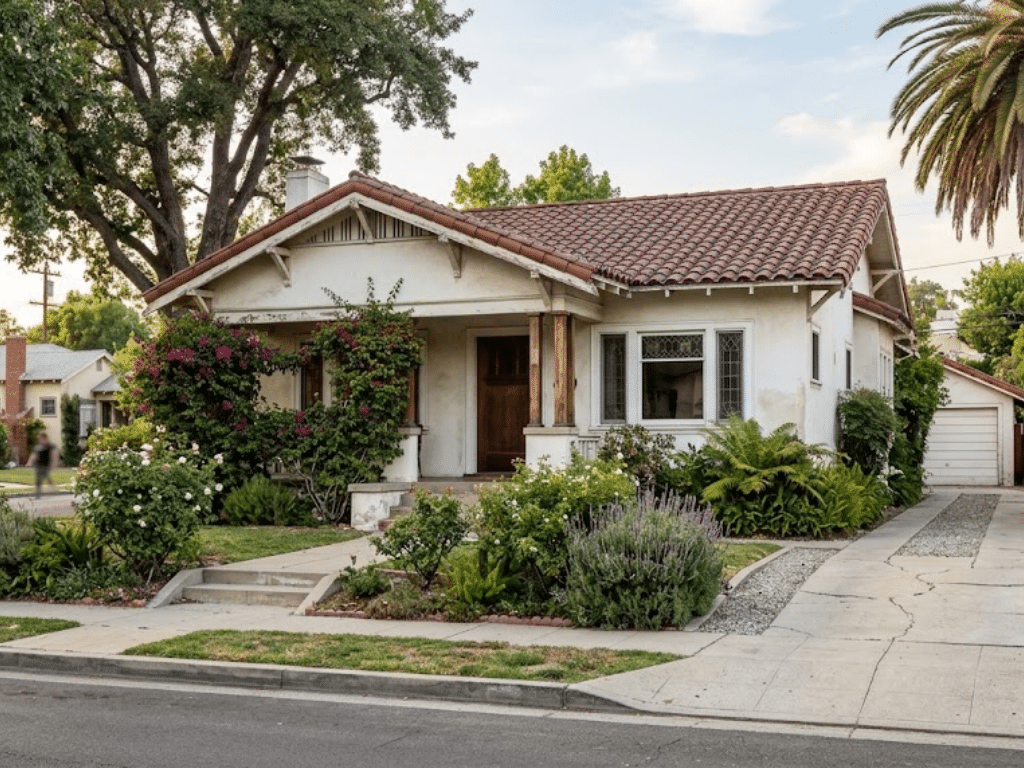
An as-is home in Los Angeles can look like an opportunity to buy a property below the cost of a fully updated home. But does buying as-is mean you’re getting a bargain, or could it leave you facing expensive repairs after closing?
The answer depends on the property’s condition, the asking price, your financing, and how carefully you evaluate the risks before making an offer.
In a video for the Scott Himmelstein Group, Scott Himmelstein explains what buyers should understand before purchasing an as-is property in Los Angeles, from probate and trust sales to inspection requirements, insurance concerns, and repair budgeting.
Whether you’re searching in Porter Ranch, Granada Hills, Pasadena, Long Beach, or another Los Angeles neighborhood, here’s what to consider before deciding if an as-is home is right for you.
What Does As-Is Mean When Buying a Home in California?
When a property is listed as-is, the seller is generally indicating that they do not intend to make repairs as a condition of the sale.
However, as-is does not automatically mean that the home is defective, that the seller can conceal known problems, or that the buyer must skip inspections.
California disclosure requirements still apply. Sellers may have obligations to disclose known material facts about the property’s condition, subject to applicable laws and exceptions. Buyers should review the required disclosures carefully and consult their real estate agent or a qualified legal professional if they have questions about their rights.
An as-is listing also does not automatically remove every opportunity to negotiate. The terms of the purchase agreement, inspection findings, contingencies, and the seller’s willingness to negotiate all matter.
The important distinction is that the seller may not agree to fix problems before closing, even when the buyer discovers them during the inspection process.
Why Do Sellers List Homes As-Is in Los Angeles?
There are several reasons a seller might choose an as-is sale. Understanding the seller’s motivation can help buyers evaluate the property more accurately.
1. Probate and Trust Sales
Some as-is homes are sold through probate or by a trust or estate.
After a homeowner passes away, the property may be transferred to heirs or handled by an estate representative. The people responsible for selling the home might live outside Los Angeles, in another state, or even in another country.
They may not know the property’s complete maintenance history. They may also prefer not to spend money coordinating repairs or remodeling before selling.
In these situations, an as-is listing may reflect a desire to simplify the sale rather than evidence of a major structural problem.
Some properties may have a solid underlying structure but outdated kitchens, bathrooms, flooring, or other finishes. Buyers who are comfortable renovating over time may find these homes worth investigating.
However, probate and trust transactions can involve additional procedures and contractual considerations. Buyers should understand the specific sale process and any applicable court or trustee requirements before making an offer.
2. Deferred Maintenance
Another reason sellers list homes as-is is deferred maintenance.
A homeowner who has lived in a property for several decades may have an older roof, aging heating and cooling equipment, outdated plumbing, or a kitchen that has not been remodeled in years.
Rather than invest a substantial amount in repairs and updates, the seller may choose to sell the home in its current condition.
This does not necessarily make the property a bad purchase. The question is whether the asking price reasonably reflects its condition and the money needed to bring it to the buyer’s desired standard.
Buyers should distinguish between cosmetic updates and problems that could affect safety, structural integrity, or the cost of ownership.
3. Land Value and Redevelopment
In some Los Angeles neighborhoods, a property’s value may be driven partly by its lot, location, or redevelopment potential.
A builder might be interested in purchasing a property with plans to remove the existing structure and construct a new home. In that case, the condition of the current house may be less important to the buyer’s plans.
Still, buyers should not assume that a lot can automatically be redeveloped as they wish. Zoning, permitting, access, environmental considerations, and other restrictions can affect what is possible.
Anyone purchasing primarily for land value should investigate these factors before committing.
4. Bank-Owned and Distressed Properties
Some bank-owned or distressed properties are also sold as-is.
A lender or asset manager may prefer to sell a property without coordinating extensive repairs. These transactions may involve specific deadlines, documentation requirements, or limited flexibility.
Buyers should review the contract closely and understand the seller’s requirements before proceeding. A property that appears attractively priced may still require substantial repairs or present financing challenges.
Are As-Is Homes Cheaper in Los Angeles?
One common misconception is that every as-is home comes with a significant discount.
In reality, an as-is designation does not establish the property’s market value. Pricing depends on comparable sales, location, condition, demand, and the type of buyer the property attracts.
A home in a desirable neighborhood may still receive strong interest even if it needs work. Buyers may be competing for the location, lot size, floor plan, or long-term potential rather than the home’s current finishes.
The video notes that buyers should not automatically expect a 25% to 30% discount unless the property genuinely needs extensive renovation. That figure is an illustration from the video, not a universal pricing rule.
A more useful approach is to compare the asking price with similar properties and estimate the full cost of ownership.
Consider:
- The purchase price
- Immediate repairs and safety-related work
- Plumbing, sewer, roofing, and structural concerns
- Cosmetic renovations
- Inspection and specialist costs
- Financing and insurance requirements
- A reserve for unexpected expenses
For example, a home that costs less upfront may not represent a better deal if it requires extensive repairs soon after closing.
The Biggest Risk: Hidden and Expensive Repairs
An as-is home can have problems that are not obvious during a casual showing. This is particularly important when evaluating older properties.
The video identifies several areas buyers should investigate.
Plumbing and Sewer Lines
Older homes may have aging plumbing materials or sewer lines that require repair or replacement.
A sewer scope can help identify problems that a standard visual inspection may not reveal. If an inspection raises concerns, a qualified plumbing or sewer professional can provide a more detailed assessment and repair estimate.
The video cites sewer line replacement costs of approximately $10,000 to $20,000. Actual costs can vary significantly depending on the property’s layout, the extent of damage, access, local labor rates, and the scope of work.
Foundation and Structural Issues
Foundation movement can be a concern in some properties. Warning signs may include significant cracks, uneven floors, sticking doors, or other changes in the structure.
These signs do not necessarily confirm a foundation problem, but they may justify further evaluation by a qualified structural specialist.
Foundation repairs can be expensive, and the appropriate solution depends on the cause and severity of the issue. Buyers should obtain professional assessments and written estimates before deciding whether the purchase makes financial sense.
Roof Condition
An aging or damaged roof can become a major expense, especially if replacement is needed soon after closing.
The video gives an estimated roof replacement range of $25,000 to $40,000. This is not a guaranteed current price. Actual costs depend on roof size, materials, design, accessibility, and the extent of any underlying damage.
A qualified roofing professional can help clarify the roof’s condition, remaining useful life, and likely repair or replacement costs.
Heating, Cooling, and Electrical Systems
Older HVAC equipment, outdated electrical components, and other aging systems may need attention.
These issues can affect comfort, safety, insurance eligibility, and the ability to complete the purchase using certain types of financing.
When an inspector identifies a concern, consider bringing in a qualified specialist to determine what work is needed and how much it may cost.
Why Home Inspections Matter for As-Is Properties
An as-is listing is not a reason to skip due diligence. In fact, inspections may be especially important when a seller is unwilling to make repairs.
Depending on the property, purchase agreement, and applicable requirements, buyers may want to consider the following inspections.
General home inspection: Reviews visible and accessible components of the property, including major systems and areas that may need further evaluation.
Termite and wood-destroying pest inspection: Helps identify evidence of termites, wood-destroying organisms, and related damage.
Sewer scope: Examines the sewer line for blockages, deterioration, root intrusion, or other issues.
Roof inspection: Provides a closer look at the roof’s condition and potential repair or replacement needs.
Structural evaluation: May be appropriate if there are signs of foundation movement, structural damage, or other concerns.
Electrical inspection: Can help assess potentially outdated or unsafe electrical components when further investigation is warranted.
Not every property requires every specialist inspection. The appropriate inspection plan depends on the home’s age, visible condition, inspection findings, and the buyer’s concerns.
Before making an offer, understand which contingencies are included in the contract and when they expire. Removing an inspection contingency can significantly affect your options if problems emerge later.
Buyers should not waive important protections without fully understanding the consequences. Anyone considering that step should seek advice from qualified professionals who understand the transaction and the property’s risks.
How Financing Can Affect an As-Is Purchase
The condition of an as-is home can affect whether a lender will approve the purchase.
Some government-backed loan programs, including FHA and VA financing, have property condition requirements. If an appraiser identifies issues that must be addressed before the loan can close, the transaction may become more complicated when the seller refuses to make repairs.
Conventional financing may offer different options, but it is not automatically available for every property or every condition.
Before submitting an offer, discuss the property with your lender. Ask whether the home’s known condition could affect the appraisal, loan approval, required repairs, or closing timeline.
This is especially important if the property has significant damage, safety concerns, or systems that are no longer functioning properly.
Don’t Overlook Homeowners Insurance
Insurance is another consideration when purchasing an older or as-is property in California.
The home’s roof, electrical system, plumbing, condition, location, and other factors may affect an insurer’s decision to offer coverage and the terms available.
If an insurer requires repairs before issuing a policy, and the seller is unwilling to complete them, that could create a challenge before closing.
For that reason, buyers should investigate insurance availability and costs early in the process rather than waiting until the transaction is nearly complete.
Discuss the property’s condition with insurance providers and understand the relevant insurance contingency and deadlines in the purchase agreement. Contract terms vary, so consult your agent or a qualified legal professional if you need help understanding your options.
Read the Seller Disclosures Carefully
Seller disclosures can provide important information about the property’s known condition and history.
Depending on the transaction and applicable requirements, documents may address past repairs, known defects, water intrusion, and other material facts.
Read these documents carefully instead of relying only on the listing description or what you notice during a showing.
If something is unclear, ask questions and consider whether further inspections or documentation are needed. Review the information with your real estate agent and relevant specialists before deciding whether to remove contingencies.
The goal is to understand as much as reasonably possible before your contractual options become limited.
Build a Repair Budget Before You Make an Offer
Even a property that appears reasonably maintained can have unexpected problems. Buyers considering an as-is home should plan for more than the down payment and closing costs.
Start by listing the repairs that appear necessary, then separate them into categories:
- Immediate priorities: Safety concerns, active leaks, and problems that could cause further damage.
- Near-term repairs: Aging systems or components that may need attention soon.
- Cosmetic improvements: Paint, flooring, kitchen finishes, and other updates that can potentially wait.
Get professional estimates for major work wherever possible. Include a financial cushion for unexpected expenses, and avoid assuming that every renovation will cost the lowest amount quoted.
If the purchase only works financially when nothing goes wrong, the property may carry more risk than your budget can comfortably support.
Can You Still Negotiate on an As-Is Home?
An as-is designation does not automatically eliminate negotiation, but it also does not guarantee that the seller will agree to repairs, credits, or a lower price.
Negotiation may depend on the purchase agreement, the property’s market position, the seller’s circumstances, and what inspections reveal.
If inspections uncover significant issues, buyers may consider asking for a price adjustment, a credit, repairs where appropriate, or another contractual solution. The seller may decline, and the available options depend on the terms of the agreement and applicable law.
A well-supported request backed by professional findings and repair estimates can provide a clearer basis for discussion than a general request for a discount.
Before taking action, understand your contractual deadlines and consult your real estate agent or legal adviser as appropriate.
Clarify What Stays With the Property
Buyers should also confirm which items are included in the sale.
Depending on the property and contract, questions may involve appliances, mounted televisions, fixtures, outdoor structures, or other items that could otherwise become a source of disagreement.
Do not rely on assumptions or verbal conversations alone. Make sure the purchase agreement and any applicable addenda clearly document the parties’ understanding.
The final walkthrough is another opportunity to check the property’s condition and confirm that the agreed-upon terms have been followed. It is not a substitute for inspections or a guarantee that every hidden issue will be discovered.
Would a Home Warranty Help?
The video also discusses requesting a one-year home warranty as a possible way to offset some of the risks associated with older systems.
A home warranty may cover certain eligible breakdowns, depending on the plan, exclusions, coverage limits, service fees, and terms. It does not replace a professional inspection or guarantee that major repairs will be covered.
The video mentions a typical cost range of approximately $750 to $1,100, but actual prices and coverage vary by provider, plan, property, and date.
A seller may be willing to contribute toward a warranty, but that should be discussed as part of the negotiation rather than assumed. Review the contract and warranty terms to understand exactly what is being offered.
Is Buying an As-Is Home in Los Angeles Worth It?
An as-is home can be worth considering when the price, location, condition, and renovation budget align with your goals.
It may suit a buyer who has the resources to address repairs, understands the risks, and is comfortable improving the property over time. It may be less suitable for someone who needs a move-in-ready home or has little room in their budget for unexpected expenses.
Before deciding, ask yourself:
- Have I investigated the property’s condition thoroughly?
- Do I understand the likely repair costs?
- Can I afford the purchase and the improvements?
- Have I checked financing and insurance requirements?
- Do I understand the contract and my contingency deadlines?
- Does the property’s value still make sense after accounting for repairs?
The answers matter more than the as-is label itself.
Final Thoughts: Evaluate the Property, Not Just the Label
Buying an as-is home in Los Angeles is ultimately a decision about risk, preparation, and value.
The label does not automatically make a property a bargain or a bad investment. What matters is the home’s actual condition, the total cost of ownership, your financial comfort level, and whether the property supports your long-term plans.
Thorough inspections, careful disclosure reviews, realistic repair estimates, and early conversations with lenders and insurance providers can help you make a more informed decision.
As Scott Himmelstein explains in the video, the goal is to move from guessing to making informed decisions. An as-is property may offer an opportunity, but it should be evaluated with the same care as any major financial commitment.
Considering an as-is home in Los Angeles? Speak with qualified real estate, inspection, financing, insurance, and legal professionals as needed before making a decision.
Watch the Video
Watch Scott Himmelstein of the Scott Himmelstein Group explain the pros and cons of buying an as-is home in Los Angeles, including seller motivations, inspections, financing, insurance, and negotiation considerations.
Work with Scott