

California FAIR Plan Insurance Increase: What Los Angeles Homeowners and Buyers Need to Know
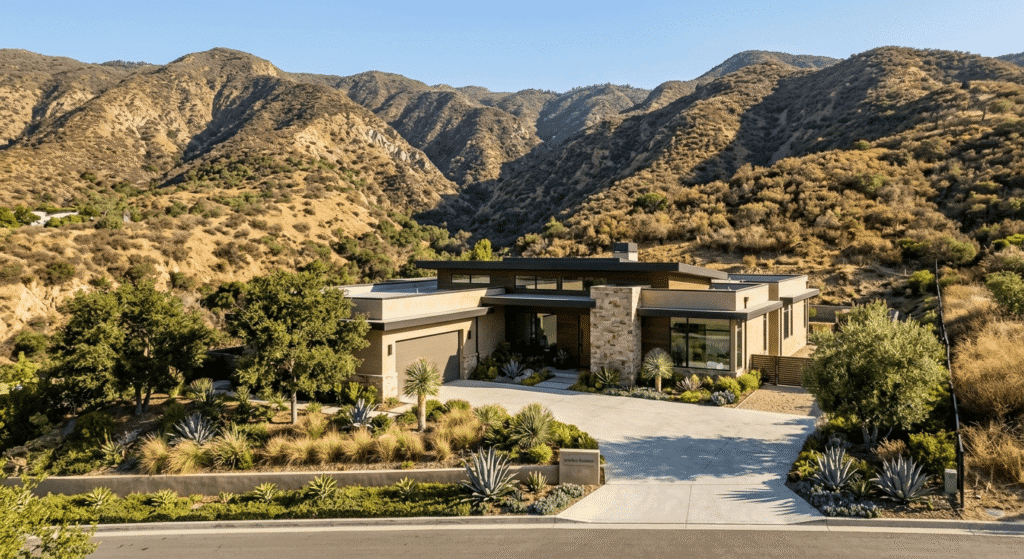
California homeowners are facing a growing challenge that goes beyond mortgage rates and home prices: insurance.
For homeowners in Los Angeles and the San Fernando Valley, particularly in areas with greater wildfire exposure, insurance availability and affordability are becoming an increasingly important part of the cost of owning a home.
The California FAIR Plan, originally designed as a last-resort option for homeowners who cannot obtain coverage through the traditional insurance market, has become an important part of that conversation.
With insurance premiums rising and more homeowners facing non-renewals or limited coverage options, buyers and sellers need to understand how insurance can affect affordability, financing, and real estate decisions.
What Is the California FAIR Plan?
The California FAIR Plan is a last-resort insurance option for property owners who cannot obtain coverage through traditional insurers.
It was not originally designed to serve as the primary insurance solution for large numbers of California homeowners. However, as some insurance companies have reduced their exposure to California or stopped writing certain policies, more homeowners have turned to the FAIR Plan.
This has been especially noticeable in areas with higher wildfire exposure, including communities near hillsides, brush, canyons, and open space.
For homeowners who have spent decades with traditional insurance, receiving a non-renewal notice can be especially concerning. Finding replacement coverage may be more difficult and significantly more expensive than it was in the past.
Why Is California Homeowners Insurance Becoming More Expensive?
There isn’t one single reason behind California’s insurance challenges. Several factors are coming together.
Wildfire Risk
California has experienced devastating wildfires that have resulted in billions of dollars in insured losses.
Insurance companies evaluate potential losses, rebuilding costs, exposure, and other financial risks when determining where and how much coverage they are willing to provide.
As wildfire risk has increased, insurers have reassessed their exposure in many California communities.
Higher Rebuilding Costs
Rebuilding a home today can cost substantially more than it did several years ago.
Labor, materials, permits, and construction expenses have all increased. When an insurer estimates the potential cost of replacing a home after a catastrophic event, those higher construction costs become part of the equation.
Inflation can add another layer of pressure.
Insurance Regulation and Market Conditions
California’s insurance market is also shaped by state regulations and the process insurers must follow when requesting rate changes.
When insurers believe their rates do not adequately reflect current risk and costs, some have responded by reducing their California business rather than continuing to increase their exposure.
That can mean fewer traditional insurance options for homeowners.
How Higher Insurance Costs Affect Homeowners
Insurance used to be an expense that many homeowners could treat as relatively predictable.
That is changing.
A homeowner may have a mortgage payment that has remained the same, particularly if they purchased with a low fixed interest rate, but other ownership expenses can continue to rise.
Property taxes, utilities, maintenance, repairs, and insurance all contribute to the total cost of owning a home.
If insurance premiums increase by thousands of dollars per year, that can translate into hundreds of dollars more per month.
For some homeowners, that may significantly change their household budget.
Why Insurance Matters to Home Buyers
Insurance is becoming something buyers need to investigate before committing to a property.
A home may appear affordable based on its purchase price and estimated mortgage payment, but the actual monthly cost can be much higher once insurance, property taxes, HOA fees, utilities, and maintenance are included.
Insurance can also matter when a buyer is obtaining financing. The cost and availability of coverage can affect the overall affordability calculation, and buyers should understand their insurance options early in the process.
This is particularly important for homes located near brush, canyons, hillsides, or other areas where wildfire exposure may be a concern.
Instead of waiting until late in escrow to find out what insurance will cost, buyers should investigate coverage as early as possible.
Could Insurance Affect California Home Values?
Insurance does not affect every property equally, but it is becoming another factor buyers may consider when comparing homes.
If two properties are similar in price but one is significantly more expensive or difficult to insure, buyers may take that difference into account.
Some buyers may place greater importance on properties with lower perceived wildfire exposure. Others may be willing to accept higher insurance costs because of a home’s location, views, lot size, or other advantages.
Over time, the total cost of ownership could become an increasingly important part of how buyers evaluate properties.
The purchase price is only one part of the affordability equation.
What Homeowners Can Do to Improve Their Position
Homeowners don’t necessarily have to wait for their insurance situation to become a problem.
There are several steps worth considering.
Shop Around
Don’t automatically assume your current insurance option is the only one available.
An insurance broker familiar with California’s current market may be able to identify alternatives that homeowners haven’t found on their own.
Review Your Policy
Understand what your policy actually covers.
Pay attention to deductibles, exclusions, replacement-cost coverage, limits, and other important provisions.
Homeowners using the FAIR Plan should also understand how their coverage works alongside any supplemental or companion policies they may have.
Consider Fire Mitigation
Depending on the property and insurer, improvements related to wildfire mitigation may help with eligibility or insurance costs.
Examples can include:
- Maintaining defensible space
- Managing vegetation around the property
- Trimming trees
- Updating roofing materials
- Installing ember-resistant vents
- Improving other fire-hardening features
Homeowners should speak with their insurance professional about which improvements may actually affect their coverage or eligibility.
Review Insurance Before Buying
If you’re purchasing a home, don’t wait until the end of escrow to investigate insurance.
Get an insurance quote early enough to understand the property’s actual carrying costs before making major financial decisions.
What Sellers Should Know
Insurance can also affect sellers.
If a property has limited insurance options or unusually high premiums, some buyers may hesitate. Others may factor the additional cost into their offer or negotiations.
Sellers should understand the insurance situation surrounding their property and be prepared to provide buyers with accurate information when appropriate.
For properties in higher-risk areas, addressing obvious maintenance or wildfire mitigation concerns before listing may also help improve the property’s overall marketability.
Is California’s Insurance Problem Temporary?
There are reasons to believe the insurance challenges facing California will take time to resolve.
Wildfire risk remains a concern. Construction costs remain elevated compared with historical levels, and insurance companies continue to reassess their exposure.
At the same time, California continues to explore changes involving insurance regulation, catastrophe modeling, risk sharing, wildfire mitigation, and other approaches intended to improve the insurance market.
The exact direction of the market will depend on how these factors develop.
For homeowners, the practical takeaway is to avoid assuming that insurance costs will simply return to previous levels.
Planning ahead is becoming increasingly important.
What This Means for Los Angeles and the San Fernando Valley
Insurance conversations are particularly relevant for homeowners and buyers throughout Los Angeles County and the San Fernando Valley.
Communities such as Porter Ranch, Granada Hills, Chatsworth, Encino, Tarzana, and other areas near hillsides, canyons, and open space can have different insurance considerations depending on the specific property.
Even within the same neighborhood, insurance costs and availability can vary from one property to another.
That’s why buyers shouldn’t rely solely on a general neighborhood assumption. The actual property, its construction, location, condition, and insurance history can all matter.
The Real Cost of Owning a California Home
One of the biggest lessons from the current insurance environment is that affordability is about more than the mortgage.
A homeowner’s total monthly housing cost can include:
- Mortgage principal and interest
- Property taxes
- Homeowners insurance
- HOA fees
- Utilities
- Maintenance
- Repairs
- Potential wildfire mitigation expenses
For buyers, understanding those costs before purchasing can help prevent unpleasant surprises later.
For existing homeowners, regularly reviewing insurance coverage and costs can help with long-term financial planning.
What Happens Next?
California’s insurance market is likely to continue evolving.
Homeowners may see additional changes in premiums, coverage requirements, mitigation standards, and available insurance products.
There may also be regulatory reforms and new approaches to sharing catastrophe risk.
In the meantime, homeowners and buyers can focus on what they can control: understanding their coverage, comparing options, maintaining their properties, considering appropriate mitigation improvements, and researching insurance before purchasing a home.
California real estate is not disappearing. People continue to value the state’s jobs, lifestyle, weather, culture, entertainment, and access to beaches and mountains.
But the economics of homeownership are changing.
Insurance is becoming an increasingly important part of that equation.
Watch the Video
Want to hear Scott Himmelstein break down the California FAIR Plan, rising insurance costs, and what these changes could mean for Los Angeles and San Fernando Valley real estate?
Watch the full video to learn why insurance is becoming such an important part of the home-buying and home-selling conversation, what homeowners can do to prepare, and why understanding the total cost of ownership matters more than ever.
Work with Scott