

Chatsworth’s Western Heritage and How It Shapes Porter Ranch Character
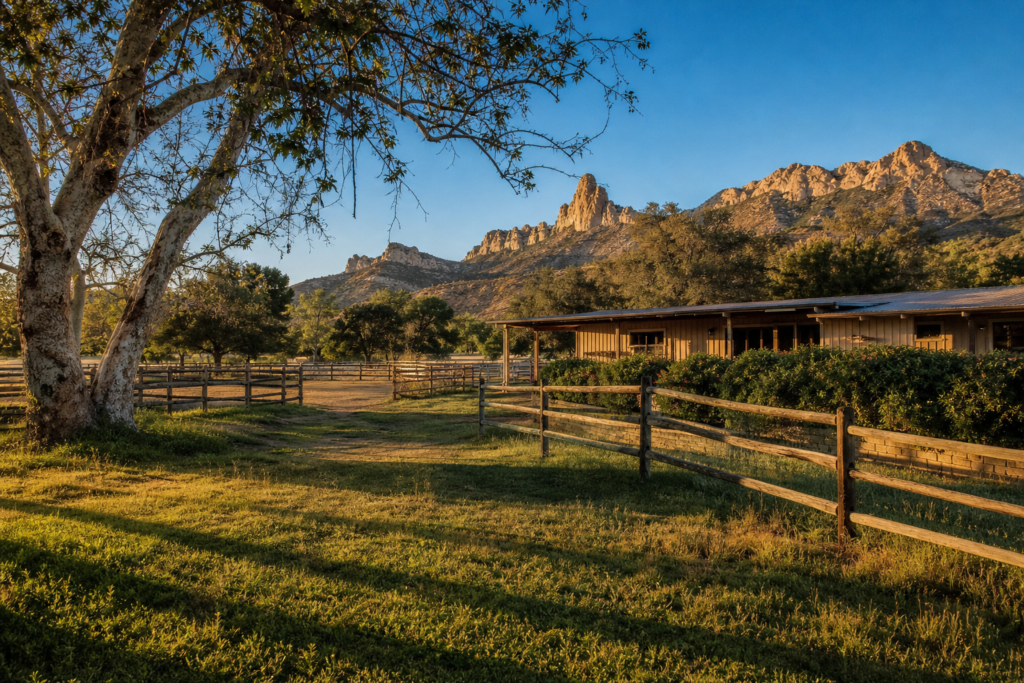
How does Chatsworth’s Western frontier past shape the character of today’s Porter Ranch and northwest San Fernando Valley communities?
Chatsworth’s ranching roots, movie ranch legacy, and equestrian culture created the open-space DNA that defines Porter Ranch’s hillside lots, trail systems, and community feel today.
Why Chatsworth’s Western Heritage Matters for Porter Ranch Right Now
If you’re considering a move to the northwest San Fernando Valley, you’re not just buying square footage. You’re buying into a story that stretches back over a century. Chatsworth and Porter Ranch share geographic borders, school districts, mountain backdrops, and something harder to quantify: a sense of place that traces directly to the area’s Western frontier past.
I’ve spent over 21 years helping buyers and sellers throughout Porter Ranch and the surrounding communities, and I can tell you that the people who fall in love with this corner of Los Angeles almost always point to the same thing. It feels different here. The wide streets, the canyon trails winding through the Santa Susana Mountains, the equestrian paths at Aliso Canyon Park, the fact that you can hear coyotes at dusk from your backyard on Sesnon Boulevard. That feeling is not an accident. It is the direct inheritance of Chatsworth’s ranching, agricultural, and cinematic Western heritage.
Understanding that heritage is essential for anyone evaluating Porter Ranch real estate, because it explains why this area looks, feels, and functions the way it does, even as the median sold price sits at $1,230,000 across 222 closings, per Resideline data as of September 2026.
The Ranching Roots That Built the Northwest San Fernando Valley
From Spanish Land Grants to the Porter Family Legacy
Before Porter Ranch was a master-planned community with guard-gated enclaves and Toll Brothers estates, it was open rangeland. The San Fernando Valley was one of Southern California’s most productive agricultural regions, and the Chatsworth area played a central role. The land was part of the original Spanish land grants, later transitioning into cattle ranching territory that sustained generations of families.
The Porter family, for whom Porter Ranch is named, were among the area’s prominent ranching families. Their legacy is not just a name on a map. It is embedded in the development patterns you see today: larger lot sizes, setbacks from the street, and a hillside orientation that preserved views of the Santa Susana Mountains rather than packing homes tightly together.
What I tell my clients is this: if you are comparing Porter Ranch to more urbanized San Fernando Valley neighborhoods, the difference you are feeling is not just newer construction or better schools. It is a fundamentally different relationship with the land itself, one that was established when cattle grazed where Rinaldi Street now runs.
How Agricultural Heritage Became Residential Character
The transition from agricultural to residential use began in earnest in the 1950s and 1960s, but the DNA carried forward. Chatsworth retained equestrian zoning in many areas, allowing residents to keep horses on their properties. Many Chatsworth lots remain half an acre to over an acre, featuring horse corrals, riding rings, and direct trail access. This creates a distinctly rural feel within Los Angeles city limits.
Porter Ranch took a different development path, evolving into a planned community with newer construction, but the open-space philosophy remained. Canyon parks like Limekiln Canyon provide hiking trails through natural terrain, perfect for Saturday morning family outings without driving an hour. Aliso Canyon Park is home to equestrian trails, connecting Porter Ranch’s recreational footprint directly to Chatsworth’s horse country. These are not coincidences; they are design decisions rooted in heritage.
Hollywood’s Western Film Era and Its Lasting Mark on Porter Ranch
Movie Ranches That Made Chatsworth Famous
Here is something that surprises many of my buyers when they first tour the area. The dramatic sandstone formations you see from the upper hillside streets of Porter Ranch, the ones that make the sunset views so spectacular, are the same rocks that appeared in hundreds of classic Western films.
Chatsworth was the epicenter of Hollywood’s Western film industry from the 1920s through the 1970s. Key locations included:
- Iverson Ranch (now Iverson Movie Ranch): Used in over 2,000 productions. The distinctive sandstone formations are now part of the Garden of the Gods park area.
- Spahn Ranch: A working movie ranch that hosted numerous Western television series.
- Stoney Point: A dramatic rock formation that served as a filming location and remains a popular rock-climbing destination today.
- Santa Susana Pass: The historic stagecoach route that connected the San Fernando Valley to Simi Valley, appearing in countless Western films.
Porter Ridge Park, known among locals as “E.T. Park,” holds its own cinematic claim as the filming location for the iconic bicycle-over-the-moon scene from Steven Spielberg’s film. The northwest Valley is, in a very real sense, built on the foundation of storytelling.
Why This Matters When You’re Buying in Porter Ranch
So what does a movie ranch from the 1940s have to do with your home search in 2026? More than you might think. The preservation of Stoney Point, the trail networks through Santa Susana Pass State Historic Park, and the open canyon spaces that separate Porter Ranch from Chatsworth all exist in part because of historical recognition tied to these filming locations. The old stagecoach route through Santa Susana Pass is now a protected state historic park, preserving a critical transportation corridor from the Western expansion era.
When you hike those trails on a weekend morning, you are literally walking paths that served as sets for classic Westerns. Having closed over 500 transactions across the San Fernando Valley, I have seen how that sense of history becomes a genuine selling point for families relocating from out of state who are drawn to neighborhoods with authentic character.
Equestrian Culture and the Chatsworth-Porter Ranch Connection
Zoning Differences You Need to Understand
If you are drawn to the Western heritage character of this area, you need to understand a critical zoning distinction. Chatsworth maintains equestrian zoning in many neighborhoods, meaning you can keep horses on your property. Porter Ranch’s gated communities generally do not permit this.
However, the two communities share trail systems that wind through the Santa Susana Mountains, creating a continuous recreational corridor. Aliso Canyon Park’s equestrian trails are accessible to Porter Ranch residents, and the broader regional trail network echoes the old stagecoach and cattle drive routes that once connected these communities.
What does this mean practically? If you want a horse property with that true ranch character, you are looking at Chatsworth’s larger lots, often with older housing stock but significantly more land per dollar. If you want newer construction, top-rated schools like Porter Ranch Community School (rated 10/10 by GreatSchools, in the top 10% in California for test scores), guard-gated security, and resort-style community amenities while still being minutes from equestrian trails and open canyon land, Porter Ranch offers a compelling choice. The median sold price in Porter Ranch is $1,230,000 at $533 per square foot, per Resideline as of September 2026, while Chatsworth equestrian properties may offer different value propositions with more acreage.
Preservation, Open Space, and the Character of Porter Ranch Living
The Natural Landscape as Heritage
The Santa Susana Mountains form the backdrop for both communities, and they are central to the area’s identity. Porter Ranch has some of the cleanest air in the Valley year-round and is among the lowest-density neighborhoods in all of Los Angeles. When I describe the feel of this neighborhood to relocation clients, I talk about the view from Sesnon Boulevard at golden hour, the quiet of the gated streets above Mason, and the fact that kids actually play outside here.
This low-density character is a direct descendant of the ranching era’s open-space ethic. Even as modern development has arrived, with Toll Brothers’ Bella Vista Ridge Collection completing its final phase in summer 2026 from roughly $2.7 million, the community has maintained generous setbacks, canyon buffers, and trail access that honor the area’s roots.
The Chatsworth Historical Society and Living Heritage
The Chatsworth Historical Society preserves the area’s heritage through the Homestead Acre, a collection of historic buildings including the 1880s-era Hill-Palmer Cottage and the Virginia Watson Chatsworth Museum. Annual Western-themed events, trail riding groups, and community gatherings keep the frontier spirit alive in ways that feel authentic rather than performative.
For Porter Ranch residents, this heritage is not distant history. It is a ten-minute drive. The Vineyards at Porter Ranch, the neighborhood’s premier open-air shopping and dining destination at Rinaldi Street and Porter Ranch Drive, hosts a Sunday farmers market that connects to the same agricultural tradition in its own modern way. Porter Valley Country Club off Reseda Boulevard, the social anchor for many families, sits on land that was once part of the ranching landscape.
What Porter Ranch’s Heritage Means for Your Real Estate Decision
Having built my business in this area and guided clients through everything from entry-level townhomes starting around $431,000 to luxury view homes above $3.5 million, I can tell you that the Western heritage is not just a nice story. It is a market differentiator.
Buyers who understand the area’s history tend to hold their homes longer. They are drawn to something deeper than a floor plan or a school rating, though Porter Ranch delivers on those too, with home values ranging from $475,000 to $2,563,000 depending on location, size, and gated community status, per local tracking data as of 2026. The community’s 86% homeownership rate and median household income near $148,000 reflect a stable, invested population, the kind of neighbors who show up to Neighborhood Council meetings and pack the parks on weekends.
With 103 five-star client reviews and a track record ranked in the top 1.5% of agents nationwide by RealTrends, I have seen what happens when buyers connect with a community’s character through expert guidance. They stop house-shopping and start home-finding.
Frequently Asked Questions
What is Chatsworth’s Western heritage and why does it matter for Porter Ranch?
Chatsworth’s identity is rooted in its ranching origins, Hollywood movie ranch era, and equestrian culture dating to the Spanish land grants. This heritage shaped the development patterns, open spaces, and trail systems that define the northwest San Fernando Valley, including Porter Ranch’s hillside character, canyon parks, and low-density residential feel that distinguishes it from more urbanized Valley neighborhoods.
Can you keep horses on your property in Porter Ranch?
Generally, no. Porter Ranch’s gated communities do not typically permit equestrian use. However, adjacent Chatsworth maintains equestrian zoning in many areas where residents can keep horses. Porter Ranch residents have access to equestrian trails at Aliso Canyon Park and connecting Santa Susana Mountain trails, giving you proximity to horse country without the zoning requirements on your own lot.
Where were Western movies filmed near Porter Ranch?
Chatsworth hosted major filming locations including Iverson Ranch (over 2,000 productions), Spahn Ranch, and Stoney Point. Santa Susana Pass served as a backdrop for countless Westerns. These sites are minutes from Porter Ranch, and many hiking trails in the area follow the same paths used in classic Hollywood films from the 1920s through the 1970s.
What is the median home price in Porter Ranch in 2026?
The median sold price in Porter Ranch is $1,230,000 at $533 per square foot, based on 222 closings tracked over six months as of September 2026, per Resideline data. The middle 50% of sales closed between $950,000 and $1,400,000, while luxury estates in guard-gated communities can reach $3.7 million.
How does Chatsworth’s character differ from Porter Ranch?
Chatsworth retains equestrian zoning, larger lot sizes (often half an acre or more), and older housing stock reflecting its agricultural roots. Porter Ranch features newer master-planned construction, guard-gated communities, and top-rated schools. Both share the Santa Susana Mountain backdrop and trail systems, but their development philosophies differ significantly, giving buyers distinct lifestyle options within minutes of each other.
What historical sites can you visit near Porter Ranch?
The Chatsworth Historical Society maintains the Homestead Acre, featuring the 1880s-era Hill-Palmer Cottage and Virginia Watson Chatsworth Museum. Santa Susana Pass State Historic Park preserves the old stagecoach route. Stoney Point remains accessible as both a historical landmark and active rock-climbing destination. The Garden of the Gods area preserves the sandstone formations from the Iverson Movie Ranch.
Is Porter Ranch a good area for families interested in outdoor recreation?
Absolutely. Limekiln Canyon Park offers hiking through natural canyon terrain. Aliso Canyon Park provides equestrian trails. The 50-acre community park features sports fields, walking trails, and playgrounds. Porter Ridge Park (“E.T. Park”) is a local favorite. Trail systems connect to the broader Santa Susana Mountains, echoing the old stagecoach and cattle drive routes.
What schools serve the Porter Ranch community?
Porter Ranch Community School (K-8) at 12450 Mason Avenue holds a GreatSchools rating of 10/10, ranked in the top 10% in California for test scores, with 81% reading proficiency and 73% math proficiency. This school is one of the area’s strongest competitive advantages for families, and it reflects the community investment that characterizes heritage neighborhoods.
How has Chatsworth’s ranching past influenced Porter Ranch lot sizes and development?
The ranching era established an open-space ethic that carried into residential development. Porter Ranch homes are set back on larger lots with generous setbacks, canyon buffers between developments, and preserved natural areas. Even newer Toll Brothers communities maintain hillside orientation and view preservation, reflecting principles that trace back to when this land was open rangeland.
What is the community feel like in Porter Ranch today?
Porter Ranch has an 86% homeownership rate and a median household income near $148,000, reflecting a stable and invested community. The Vineyards at Porter Ranch functions as the neighborhood’s town square, with a Whole Foods, restaurants, cinema, and Sunday farmers market. Porter Valley Country Club anchors social life for many families. The low density and clean mountain air contribute to a “country in the city” feeling rooted in the area’s Western heritage.
The Bottom Line
Chatsworth’s Western heritage is not a museum exhibit. It is a living influence that shapes every aspect of life in Porter Ranch, from the trails you hike on Saturday mornings to the way homes sit against the Santa Susana hillsides. When you buy in this corner of the San Fernando Valley, you are buying into a community whose character was forged by ranchers, filmmakers, and families who valued open space, natural beauty, and authentic connection to the land.
As a Certified Trust and Probate Expert and the founder of the Scott Himelstein Group at Park Regency Realty, I have spent over two decades helping people find not just houses but homes in this area. If you are considering Porter Ranch, Chatsworth, or anywhere in the northwest Valley, I would love to show you how this heritage translates into your next chapter. Call me at 818-396-3311 and let’s talk about what is possible.
Work with Scott