

Which Home Upgrades Add the Most Value in Los Angeles? What Sellers Should Know
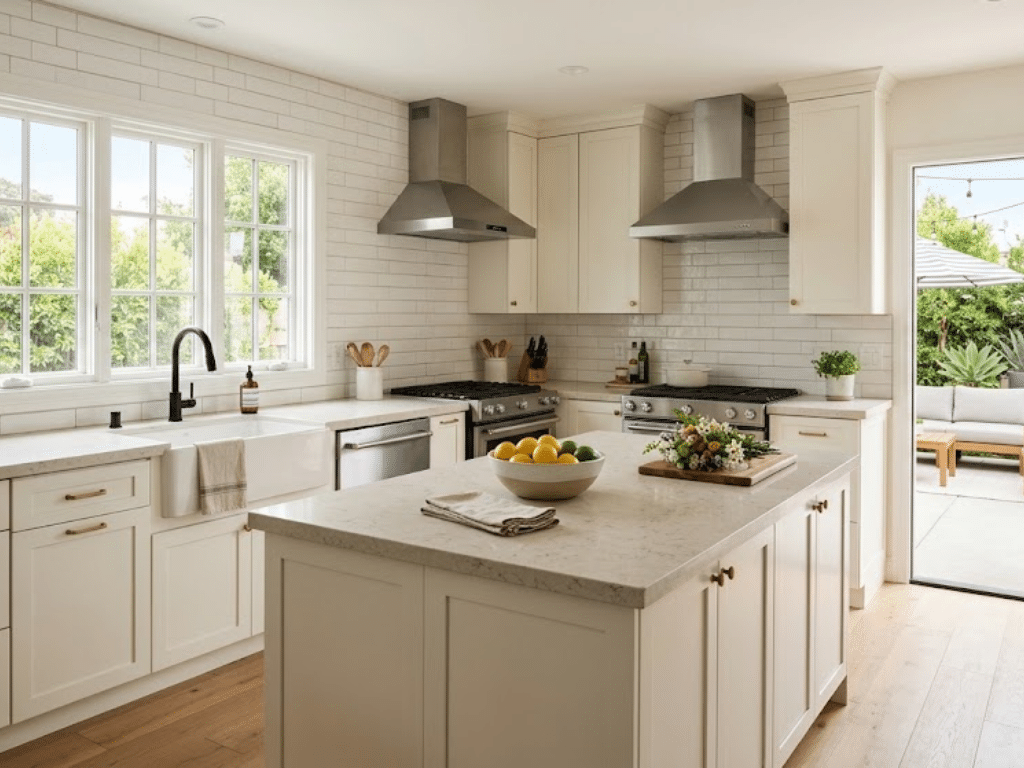
If you’re planning to sell your home in Los Angeles or the San Fernando Valley, you may be wondering which upgrades are worth the investment. Should you remodel the kitchen, renovate the bathroom, replace the windows, or focus on smaller repairs?
The truth is that not every dollar you spend on your home will come back to you when you sell. Some improvements make a property more appealing to buyers, while others help reduce concerns about maintenance, safety, and future expenses.
According to Scott Himmelstein of the Scott Himmelstein Group, the key is understanding what buyers want, what can support a property’s market value, and which improvements make the most sense for your specific neighborhood.
Whether you’re preparing to sell in Porter Ranch, Sherman Oaks, Pasadena, Santa Clarita, or another part of Los Angeles, here’s what to consider before investing in home improvements.
1. Refresh Your Kitchen Without Overspending
The kitchen is one of the first places buyers notice when touring a home. Outdated cabinets, worn countertops, mismatched appliances, and awkward layouts can make a property feel older and more expensive to update.
On the other hand, a bright, functional, cohesive kitchen can help buyers see the home as more move-in ready.
A complete luxury remodel isn’t always necessary. Depending on the kitchen’s condition, smaller updates may make a meaningful difference, including:
- Painting or refacing cabinets
- Replacing outdated cabinet hardware
- Improving lighting
- Updating countertops and backsplashes
- Installing a more cohesive appliance package
- Replacing an old faucet
The goal is to make the kitchen feel clean, current, and functional without spending more than your local market is likely to support.
2. Make the Primary Bathroom Feel Clean and Updated
Buyers often want a primary bathroom that feels bright, comfortable, and relaxing. Updated counters, fresh tile, good lighting, modern fixtures, and a walk-in shower can improve the overall impression.
Natural light also matters. Heavy window coverings and dim lighting can make a bathroom feel smaller and less inviting.
Before committing to a complete renovation, look at the smaller details that may make the space feel neglected:
- Dirty grout or damaged caulking
- Dated mirrors and fixtures
- Worn cabinets
- Cracked or damaged surfaces
- Poor lighting
Addressing these issues may help the bathroom feel better maintained without requiring a full remodel.
3. Improve the Layout and Everyday Functionality
A home’s layout affects how buyers imagine living in it. They may look for a comfortable connection between the kitchen and main living areas, useful bedroom placement, and enough room to move around without feeling cramped.
A home doesn’t necessarily need more square footage to feel spacious. A functional layout can make the existing space feel more usable.
Because moving walls and changing floor plans can be expensive, consider whether a proposed renovation solves a genuine problem before starting construction. Sometimes, improving the home’s presentation and finishes is more practical than making major structural changes.
4. Let Natural Light Make Your Home Feel Brighter
Natural light can influence how buyers perceive a property. Dark rooms may feel smaller, while bright spaces can feel more open and inviting.
You may be able to improve the amount of light in your home without a major renovation.
Consider these simple steps:
- Remove heavy window coverings where appropriate.
- Clean windows thoroughly.
- Use lighter paint colors where they suit the space.
- Update outdated lighting fixtures.
- Trim landscaping that blocks windows.
- Keep attractive windows and views visible.
Before spending money on major upgrades, make sure you’re not hiding features your home already has.
5. Prioritize Move-In-Ready Condition
Buyers are not only thinking about the purchase price. They’re also considering the repairs and ongoing expenses they may face after closing.
A home with visible maintenance issues can create uncertainty, even when the problems seem minor to the seller.
Fresh paint, clean flooring, working hardware, properly closing doors, and completed small repairs can help a property feel cared for.
Pay attention to stains, scuffs, damaged surfaces, and deferred maintenance. Several small issues together may cause buyers to wonder whether larger problems have also been overlooked.
You don’t always need an expensive renovation to improve your home’s presentation. Sometimes, careful preparation and attention to detail are the more practical starting points.
6. Make Outdoor Spaces More Inviting
Indoor-outdoor living can be an important consideration in Los Angeles and the San Fernando Valley, where buyers may want room to entertain, relax, or spend time with family.
A functional backyard could include a covered patio, seating area, built-in barbecue, usable hardscape, pool, clean lawn, or landscaping that creates privacy. The right improvements depend on the property and its neighborhood.
The important thing is that the space feels intentional and usable rather than unfinished or neglected.
Privacy and views can also influence buyer appeal. Strategic landscaping, fencing, and thoughtfully arranged outdoor areas may help improve the experience of the property. If your home already has an attractive view, avoid blocking it with overgrown plants or poorly placed features.
7. Maintain Major Home Systems
A new kitchen may create excitement, but buyers also want to avoid inheriting expensive repairs.
Major systems and components worth reviewing include:
- Roof condition
- Heating, ventilation, and air conditioning (HVAC)
- Plumbing
- Electrical systems
- Water heater
- Windows
These improvements may not create the same visual impact as new finishes, but documented maintenance and updates can help reduce concerns about future costs.
Roof condition can be particularly important in California, where insurance considerations may affect a buyer’s decision. An aging roof or a system nearing the end of its useful life could become a significant concern during a sale.
Before replacing a major system solely to increase your asking price, consider its current condition, the needs of the property, and the expectations of buyers in your area.
8. Understand How Solar Panels May Affect Value
Solar panels are not automatically a selling advantage. Their financial structure and transfer terms matter.
An owned, fully paid-off system may appeal to buyers, particularly if it helps reduce electricity costs. A leased or financed system may require buyers to review payment obligations, transfer conditions, and other contractual details.
Before marketing solar as a major selling feature, gather the relevant documentation and understand the terms a buyer would inherit.
The takeaway is simple: the value of solar depends on the details of the system and the agreement, not just the presence of panels on the roof.
9. Don’t Overlook Storage Space
Storage affects everyday convenience, especially in a market where space may be limited.
Buyers may pay attention to pantry space, bedroom closets, linen cabinets, garage storage, laundry areas, and built-in shelving.
A well-organized garage or pantry can help buyers understand how their belongings might fit into the home. If storage is limited, organizing existing spaces and removing unnecessary clutter can help make them easier to evaluate.
You may not need to build additional storage. Start by presenting the available space clearly and making sure it is accessible during showings.
10. Understand What Appraisers Consider
Buyers and appraisers evaluate homes differently. Buyers may respond emotionally to attractive finishes and thoughtful design, while appraisers focus on factors relevant to the property’s market value, condition, and comparison with similar homes.
An appraiser does not automatically add the cost of a renovation to the home’s value. The amount spent is not necessarily the amount the improvement contributes to market value.
Factors discussed in the video include:
- Electrical updates: A modern electrical panel, appropriate safety protections, and updated wiring can help address concerns about older systems.
- Exterior condition: Peeling paint, neglected landscaping, visible stucco damage, and deferred maintenance affect the overall impression of the property.
- Plumbing and water heater: Updated systems can reduce concerns about potential future repairs.
- Windows: Updated, energy-efficient windows may improve comfort, appearance, and efficiency.
- Flooring: Damaged, worn, or mismatched flooring can detract from the home’s condition and presentation.
- Professional painting: A clean, consistent finish can help the home look well maintained.
- Roof and HVAC: Their condition and remaining useful life can affect buyers’ concerns and the property’s marketability.
- Kitchen improvements: A thoughtful refresh may support buyer interest and marketability without requiring an expensive, high-end remodel.
Appraisal outcomes depend on the individual property, comparable sales, market conditions, and the appraiser’s analysis. No single improvement guarantees a particular increase in value.
11. Avoid Overimproving for Your Neighborhood
One of the biggest mistakes homeowners make is spending heavily on features they personally love without considering whether local buyers will value them similarly.
A luxury bathroom might make sense for one property, while fresh paint, updated flooring, and improved landscaping may be more appropriate for another.
Real estate is hyperlocal. Buyer expectations in Porter Ranch may differ from those in Sherman Oaks, Pasadena, Santa Clarita, or the South Bay.
Before committing to a major renovation, ask yourself:
- Will this improvement make the home more appealing to likely buyers?
- Will it reduce objections or concerns?
- Will it improve functionality or condition?
- Is it consistent with similar homes in the neighborhood?
- Could basic repairs and preparation be a better use of the budget?
In some situations, selling the home as-is may be worth considering. In others, strategic preparation may help improve buyer interest and the final outcome.
12. Four Takeaways Before You Spend Money on Upgrades
If you’re preparing to sell your Los Angeles home, keep these four principles in mind.
First, focus on the buyer’s experience. Think about whether an improvement makes the home more appealing, functional, current, or reassuring.
Second, avoid spending in the wrong places. Personal preferences do not always translate into greater market value.
Third, take care of the basics. Paint, flooring, lighting, cleanliness, landscaping, and small repairs can influence how buyers perceive the property.
Fourth, get local advice before starting major work. A local real estate professional who understands your neighborhood can help you evaluate which projects may be worthwhile and which may not be necessary.
Which Home Upgrades Offer the Best Return?
The most useful improvements often accomplish at least one of three things: they create an emotional connection, improve functionality, or reduce a buyer’s concerns.
A refreshed kitchen may help the home feel more current. Updated windows can improve comfort. Well-maintained major systems can reduce uncertainty. A clean, inviting backyard can help buyers imagine their lifestyle in the property.
However, no upgrade guarantees a dollar-for-dollar return. The best approach is to evaluate the home’s current condition, the local market, the likely buyer, and your budget before making decisions.
If you’re planning to sell in Los Angeles or the San Fernando Valley, start by identifying the improvements that matter most for your specific property. The goal isn’t to make your home perfect. It’s to prepare it strategically and make informed decisions about where your money goes.
Watch the Video
Watch Scott Himmelstein of the Scott Himmelstein Group explain which home upgrades buyers notice, what appraisers may consider, and how homeowners can make smarter decisions before selling in Los Angeles and the San Fernando Valley.
If you’re considering selling, relocating, upsizing, or downsizing, reviewing your home’s preparation strategy before beginning major work can help you make more informed choices.
Work with Scott