

How to Sell Your Home for Top Dollar in Los Angeles: Why Presentation Matters
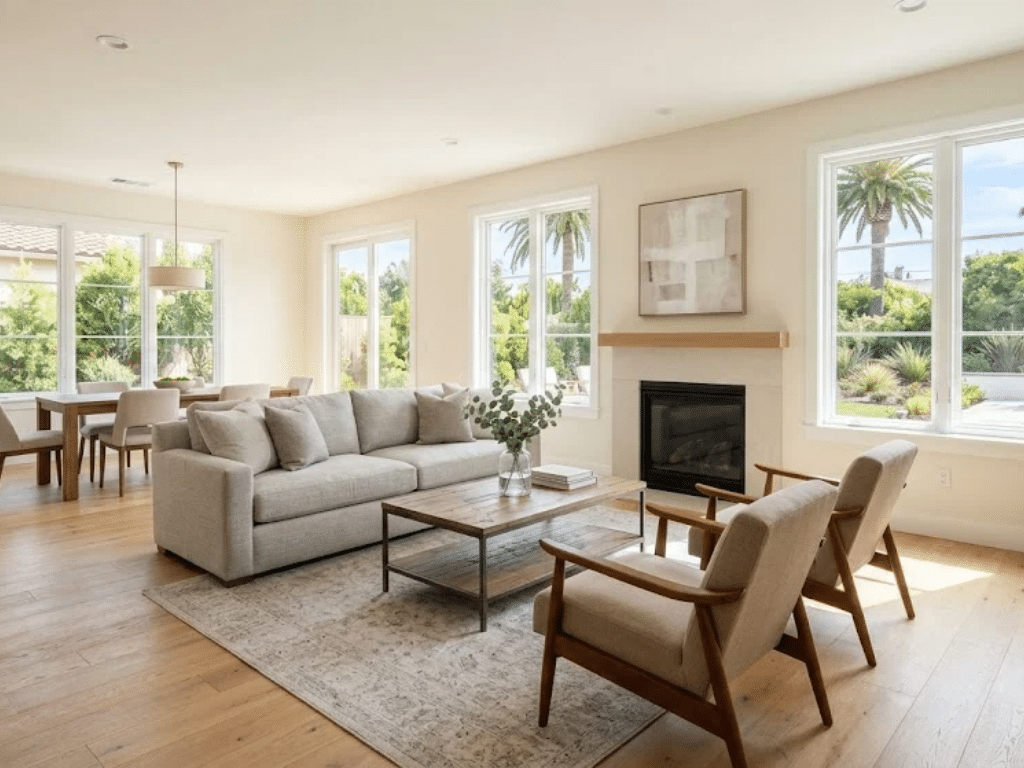
Selling a home in Los Angeles takes more than professional photography, virtual staging, and the latest marketing technology. While these tools can help attract online attention, the experience buyers have when they walk through the front door can make a lasting impression.
In today’s competitive real estate market, how you prepare and present your home matters. Buyers are not just comparing square footage and asking prices. They are also imagining their future, from family dinners in the dining room to relaxing evenings in the backyard.
In this guide, Scott Himmelstein of the Scott Himmelstein Group explains why home preparation, thoughtful staging, and emotional connection can help sellers position their properties more effectively in Los Angeles and the San Fernando Valley.
Why Technology Alone Won’t Sell Your Home
AI-enhanced photos, virtual staging, and online listing platforms have changed how homes are marketed. These tools can help buyers discover a property and visualize its potential before scheduling a showing.
However, technology is only part of the selling process.
A beautifully staged living room in listing photos may attract attention, but if buyers arrive and find a dark, empty space that feels completely different, their enthusiasm can quickly fade.
That disconnect can affect how buyers perceive the property’s condition and value. Instead of focusing on what they love about the home, they may begin noticing what needs improvement or calculating how much they would need to spend to make the space feel right.
The goal is to make sure the experience promised by your marketing matches what buyers see in person.
Buyers Purchase a Lifestyle, Not Just a House
When buyers browse homes in Brentwood, Pasadena, Long Beach, Sherman Oaks, or other Los Angeles communities, they are evaluating more than the property’s physical features.
They may picture their children playing in the hallway, their dog enjoying the backyard, or friends gathering on the patio during a warm California evening.
These imagined experiences help buyers connect with a property emotionally.
Strong listing photos can communicate that possibility by highlighting the home’s natural light, layout, outdoor areas, and inviting living spaces. When buyers visit, the property should reinforce that first impression.
A home is a major financial decision, but it is also a personal one. Buyers want to understand not only what they are purchasing, but also how the property could fit into their lives.
Set the Stage With Decluttering
One of the most practical ways to prepare your home for sale is to remove unnecessary clutter.
Excess furniture, personal photographs, crowded countertops, and too many decorative items can make rooms feel smaller or distract buyers from the property’s features.
Decluttering helps create a sense of space and makes it easier for visitors to imagine their own belongings in the home.
Before listing, consider:
- Removing furniture that blocks walkways or makes rooms feel cramped.
- Packing away personal photographs and highly personalized decor.
- Clearing kitchen counters, bathroom surfaces, and entryways.
- Organizing closets and storage areas.
- Keeping decorative accents simple and intentional.
You do not need to remove every sign of life from your home. The objective is to create a clean, open environment that feels welcoming without overwhelming potential buyers.
Use Neutral Paint Colors to Create a Fresh Look
Bold colors and dramatic accent walls can reflect your personal style, but they may not appeal to every buyer.
Soft whites and warm neutral tones can help create a more cohesive appearance throughout the home. They can also make it easier for buyers to imagine their own furniture and decor in the space.
If your walls have heavily personalized colors or visible wear, a fresh coat of paint may be worth considering before listing.
The right paint choice depends on your home’s existing finishes, lighting, and overall design. The goal is not to make every property look identical, but to present the space in a way that feels clean, bright, and versatile.
Make Natural Light a Priority
Natural light can significantly influence how a room feels during a showing.
Dark window coverings, heavy curtains, and poorly lit spaces can make rooms seem less inviting. Before photography sessions and buyer visits, open curtains and blinds, clean the windows, and make sure the lighting is working properly.
Other simple improvements include:
- Replacing burned-out light bulbs.
- Using consistent lighting tones where appropriate.
- Updating dated light fixtures when the improvement makes sense.
- Arranging furniture to avoid blocking windows.
- Keeping window areas clean and uncluttered.
A bright, well-presented room can feel more open and comfortable. These changes may not require a major renovation, but they can improve the overall impression your home makes.
Real Staging vs. Virtual Staging: What Works Best?
Virtual staging can help online shoppers visualize how an empty room might look with furniture. It can be useful when marketing vacant properties or demonstrating a room’s potential.
However, digitally adding furniture does not replace preparing the actual property for showings.
If your listing features a warm, furnished living room but buyers arrive to find an empty space with little character, the contrast may disappoint them.
Physical staging, even on a modest scale, can help maintain a consistent experience between the online listing and the in-person tour. This might mean arranging existing furniture, adding simple bedding, introducing a few tasteful accessories, or staging only the most important rooms.
Not every property needs full professional staging. The best approach depends on the home’s condition, target buyers, budget, and local competition.
Choose Listing Photos That Tell a Story
More listing photos do not necessarily mean better marketing.
Instead of showing several nearly identical angles of a small bathroom or close-ups of every fixture, prioritize images that communicate the home’s strongest features.
Effective listing photography should help buyers understand:
- How the main living spaces connect.
- How much natural light enters the home.
- What makes the kitchen and bedrooms appealing.
- How indoor spaces relate to patios, yards, or balconies.
- What kind of lifestyle the property can accommodate.
Virtual staging and image enhancement should support an accurate presentation of the property, not create expectations that the real home cannot meet.
When photography tells a compelling but truthful story, buyers can arrive with a clearer understanding of what the home offers.
Small Improvements Can Make a Difference
Preparing a home for sale does not always require an expensive renovation.
Depending on the property’s condition, relatively simple updates may improve its presentation without the cost of replacing every surface or completely remodeling a kitchen or bathroom.
Consider focusing on improvements such as:
- Fresh paint where needed.
- Updated or repaired light fixtures.
- Simple landscaping and yard maintenance.
- Clean, neutral bedding and uncluttered bedrooms.
- Furniture rearrangement to improve flow.
- Deep cleaning and attention to visible maintenance issues.
Before investing in upgrades, consider which improvements are most likely to appeal to buyers in your price range and neighborhood. Your real estate agent can help you prioritize preparation based on comparable properties and current competition.
No update guarantees a higher sale price. The purpose is to present the home well and help buyers recognize its value.
Why the First Two Weeks on the Market Matter
The video emphasizes the importance of launching a listing with strong preparation already in place.
The early days of a listing can be an important period for attracting attention from buyers who are actively searching. If the home is photographed, priced, and presented effectively from the start, it may be better positioned to generate interest.
Launching before the property is ready can mean missing opportunities to make a strong first impression.
Before going live, make sure the home has been cleaned, decluttered, photographed, and prepared for showings. Review the asking price against comparable homes and competing listings so your marketing and pricing strategy work together.
If a property does not attract the expected interest, reassess its pricing, presentation, and market positioning rather than assuming that more technology or advertising alone will solve the problem.
How to Position Your Los Angeles Home for a Successful Sale
Today’s buyers often compare multiple properties before deciding which ones deserve an in-person visit. They may be cautious about expenses, interest rates, and the cost of future repairs.
A home that feels clean, well-maintained, and ready for occupancy may help reduce some of that uncertainty.
For sellers, the key is to understand what buyers in the local market are looking for and prepare accordingly. That means balancing presentation with realistic pricing, effective marketing, and a clear understanding of the property’s strengths and limitations.
Whether you’re selling in Sherman Oaks, Pasadena, Brentwood, Long Beach, or another Southern California community, a tailored strategy is more useful than relying on a one-size-fits-all checklist.
Final Thoughts: Preparation Is Part of Your Selling Strategy
Technology can help buyers discover your property, but the in-person experience remains an important part of the selling process.
Decluttering, neutral paint, natural light, thoughtful staging, quality photography, and realistic pricing can work together to present your home at its best. Just as importantly, the property should look and feel consistent with the expectations created by its listing.
If you’re planning to sell your home in Los Angeles or the San Fernando Valley, start preparing early and focus on the improvements that make the most sense for your property and target market.
Watch the Video
Watch Scott Himmelstein’s full discussion for more insights on home staging, listing photography, buyer psychology, and preparing your Los Angeles home for sale.
Every property and market is different. Preparation and staging can improve presentation, but they do not guarantee a specific sale price, multiple offers, or a faster sale.
Work with Scott