

Is the starter home ladder broken? What LA condo and townhouse buyers need to know
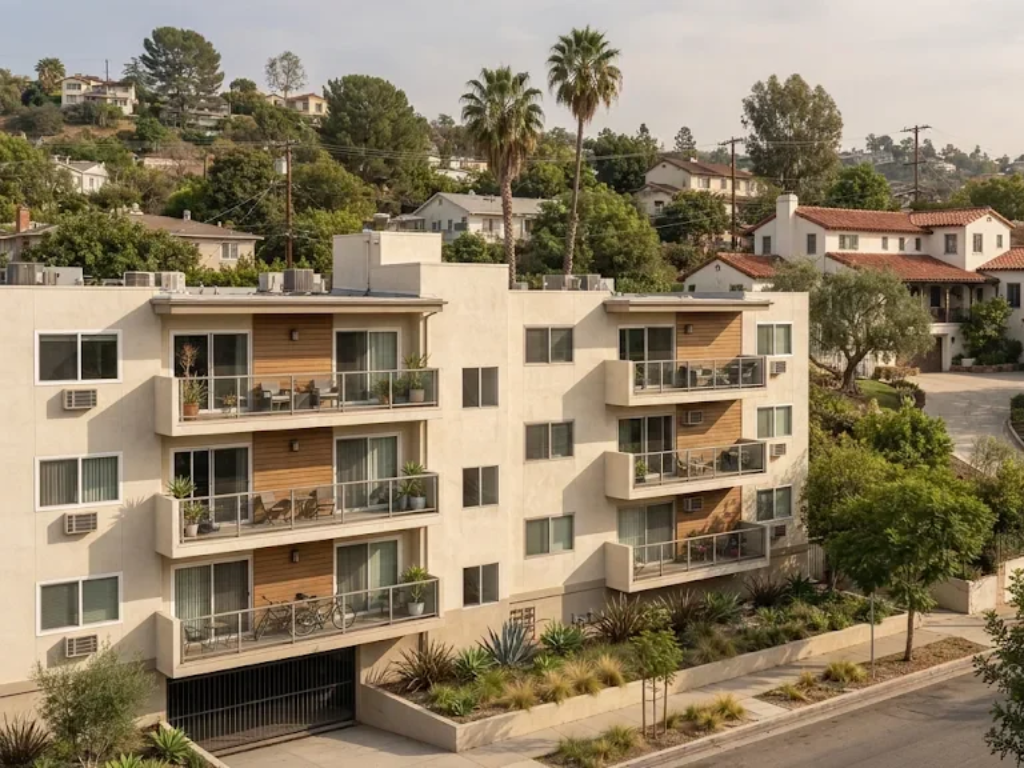
Buying a condo or townhouse has long been a common first step toward homeownership in Los Angeles. The idea was simple: purchase an affordable attached home, build equity over several years, then sell and move into a single-family house.
But rising HOA dues, insurance costs, special assessments, aging buildings, and stricter mortgage requirements are making that strategy more complicated.
For buyers considering a condo or townhouse, the biggest question is no longer just whether the monthly mortgage payment fits the budget. It is whether the building is financially healthy, properly maintained, and likely to qualify for conventional financing when it is time to sell.
The LA condo market is facing new challenges
The market figures discussed in this presentation point to a difficult period for condo owners. According to the data cited in the video:
- LA County recorded 1,976 condo sales in January and February, the slowest start to a year in more than two decades.
- Condo sales over the 12 months ending in April totaled approximately 15,300, about 30% below the 2022 average.
- The February median condo price in LA County was down 4.5% year over year, compared with a 1.6% decline for single-family homes.
- In the San Fernando Valley’s July report, the median condo price was $580,000, down 9.4% from the previous year. The median single-family home price was $1,120,000, up 2.3%.
These figures illustrate why buyers and owners need to look beyond the purchase price. A condo may offer a lower entry point, but ownership costs and resale conditions can affect how much equity a homeowner actually builds.
Note: These figures are from the reporting periods referenced in the video and should not be interpreted as current market statistics.
Four pressures affecting condos and townhouses
1. Rising HOA dues and insurance costs
HOA fees cover shared expenses, including building insurance, maintenance, and common areas. The video cites a Los Angeles metro median HOA fee of approximately $429, while many listings show monthly dues between $600 and $900.
Insurance costs are a major factor. As premiums and deductibles rise, associations may need to increase dues to cover the difference. Those increases become an additional expense for every owner.
2. SB 326 balcony inspections and repair costs
California Senate Bill 326 requires qualifying condominium associations to inspect certain elevated exterior elements, including balconies, decks, walkways, and stairways.
These inspections can uncover water intrusion, wood rot, structural deterioration, and waterproofing problems. Repairs may be expensive, especially when a building has not budgeted for them.
The video highlights a Torrance condominium complex where owners reportedly faced a $49,000 special assessment per unit. This illustrates how unexpected repairs can create a substantial financial burden.
3. Aging buildings and underfunded reserves
Many Los Angeles condo communities were built in the 1970s and 1980s. As buildings age, major components such as roofs, plumbing, elevators, windows, stucco, and exterior structures require maintenance or replacement.
HOA reserve funds are intended to prepare for these future expenses. However, associations that have kept dues low for years may not have enough money saved.
When reserves fall short, owners may face higher monthly dues, special assessments, or delayed maintenance. Any of these outcomes can affect the property’s long-term value and appeal to future buyers.
4. Stricter mortgage requirements for condo buildings
Conventional mortgage financing depends partly on whether a condominium project meets lender and agency requirements. Buildings that do not meet applicable standards may be considered non-warrantable, making conventional financing more difficult.
The video discusses tighter Fannie Mae and Freddie Mac project reviews involving reserves, budgets, insurance, and litigation. It also highlights a scheduled increase in the minimum reserve contribution requirement to 15% beginning January 4, 2027.
If a building does not qualify for conventional financing, buyers may need alternative financing or cash. That can reduce the number of potential buyers when an owner decides to sell.
How special assessments can change the real cost of ownership
Consider the example from the video: a buyer purchases a $550,000 two-bedroom condo with 10% down and an estimated monthly ownership cost of approximately $4,530.
If HOA dues increase by $100 and the association imposes a $10,000 special assessment payable over 12 months, the additional monthly expense would be about $933. The estimated monthly cost would rise to approximately $5,463 during that period.
This example shows why buyers should calculate more than principal, interest, and property taxes. HOA increases, assessments, insurance, and maintenance obligations can significantly change the affordability of a property.
It also demonstrates why selling after only a few years may not leave an owner with the equity they expected, particularly if property values decline and selling costs reduce the proceeds.
Five rules for buying a condo or townhouse in Los Angeles
Before making an offer, Scott recommends taking these precautions:
1. Review the HOA documents carefully. Request the current budget, reserve study, insurance policy, recent board meeting minutes, and balcony inspection report. Pay attention to reserve funding, upcoming repairs, pending litigation, and owners who are behind on dues.
2. Confirm whether the building is warrantable. Ask your lender to review the condominium project before submitting an offer. This can help identify financing issues before you spend money on inspections and appraisals.
3. Look closely at older buildings. Properties built before 2000 may require more scrutiny because of their age and potential maintenance needs. Newer buildings may offer more time before major repairs become necessary, although age alone does not determine a building’s condition.
4. Consider a townhouse when it fits your budget. Some townhouses have fewer shared building systems and common structures than large condominium complexes. However, buyers should still review the HOA, insurance, maintenance responsibilities, and financial records.
5. Plan for a longer holding period. Rather than assuming you can sell and move up in three years, consider whether you can comfortably own the property for five to ten years. A longer timeline may provide more flexibility if the market takes time to recover.
Already own a condo or townhouse? Start with these three steps
Current owners should understand their association’s financial position before planning their next move.
- Request the latest reserve study and check the percentage of reserves funded.
- Read the previous 12 months of HOA board meeting minutes or attend a board meeting.
- Ask the association whether it expects to meet the upcoming reserve requirements and whether the required balcony inspections have been completed. Find out what repairs were identified.
If you are considering selling, also ask whether a special assessment or major repair is being discussed. Potential assessments and known property issues may affect disclosures, negotiations, and the final sale price.
The bottom line: Do your homework before buying
Condos and townhouses can still be good options for Los Angeles buyers, especially when prices are more accessible and the building is well-managed. However, the financial health of the HOA, the condition of the property, and the availability of financing deserve as much attention as the unit itself.
The traditional starter-home strategy is not necessarily gone, but buyers can no longer assume that purchasing a condo automatically leads to an easy move-up opportunity.
Understanding the building before buying can help protect your investment and prevent costly surprises later.
Work with Scott