

Moving to Porter Ranch, California: 10 Things to Know Before You Buy
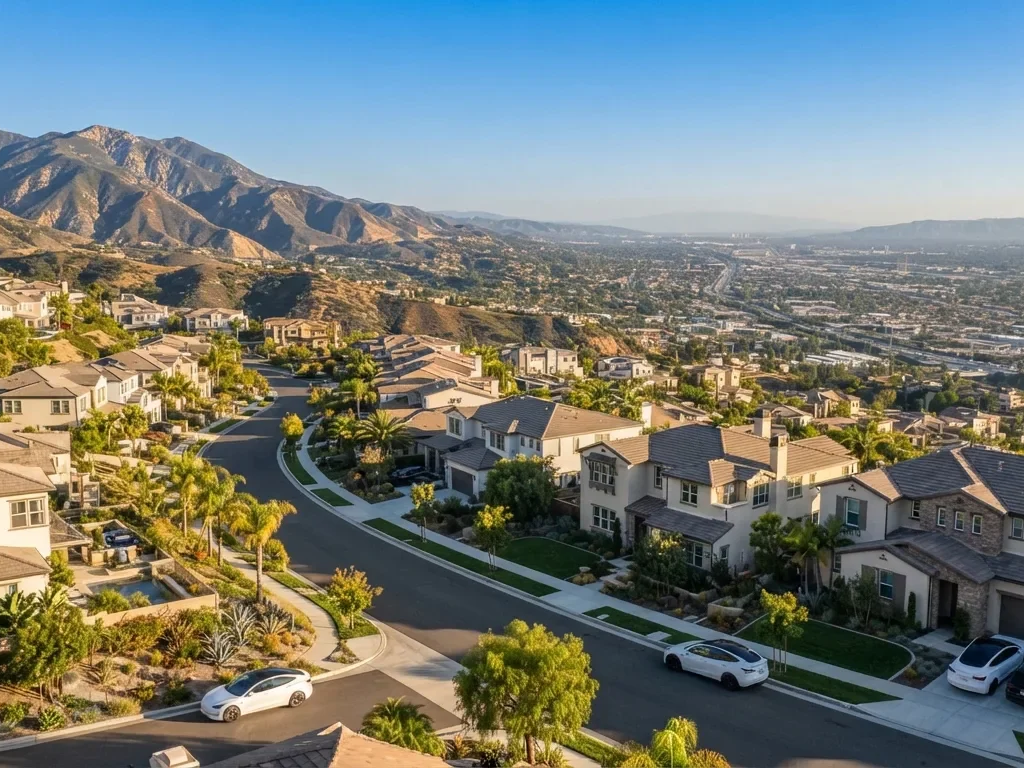
Porter Ranch is one of the San Fernando Valley’s most sought-after residential communities, known for its hillside views, quiet neighborhoods, newer homes, and access to outdoor recreation. But moving here comes with considerations that go beyond the purchase price.
From summer heat and Santa Ana winds to commute times, insurance costs, and neighborhood boundaries, understanding what daily life is really like can help you decide whether Porter Ranch is the right fit.
Here are 10 important things to know before moving to Porter Ranch.
1. Understand the difference between Old Porter Ranch and the newer communities
One of the most confusing parts of searching for a home in Porter Ranch is understanding where the neighborhood boundaries actually fall.
Rinaldi Street is an important dividing line. South of Rinaldi Street and west of Tampa Avenue, you’ll find what locals often call Old Porter Ranch. These neighborhoods feature many older, single-story ranch-style homes, larger lots, mature trees, and wider streets. Many properties do not have homeowners associations or gated entrances.
North of Rinaldi Street, particularly in the newer hillside developments, you’ll find more master-planned communities with gated entrances, two-story homes, community pools, and expansive views.
The trade-off is often between larger lots and fewer restrictions in older neighborhoods versus newer amenities and additional monthly costs in newer developments. It’s worth touring both areas before deciding.
2. Be realistic about your commute
Porter Ranch sits in the far northwest corner of the San Fernando Valley, approximately 30 miles from downtown Los Angeles. The 118 Freeway is the primary route connecting the community to other parts of the region.
Commuting to Santa Monica, the Westside, or downtown Los Angeles can take an hour or more during rush hour. Your route and travel time will depend heavily on your destination and departure time.
The area can be especially convenient for people who work remotely, commute only a few days a week, or work in nearby communities such as Warner Center, Chatsworth, Burbank, Simi Valley, or Santa Clarita.
If you need to commute regularly, test the actual drive during a weekday morning and evening. A Sunday map estimate won’t necessarily reflect your daily experience.
3. Prepare for the San Fernando Valley heat
Porter Ranch experiences warmer summers than coastal Los Angeles. From late June through September, afternoon temperatures commonly reach the upper 90s, with heat waves sometimes pushing temperatures above 100 degrees.
That makes a home’s cooling system an important part of your buying decision.
Ask about the age and condition of the air conditioning system, whether a two-story home has separate cooling zones, and whether solar panels are owned or leased. A leased solar system may come with a contract that the buyer needs to assume.
Also consider the backyard’s orientation. A west-facing yard can become especially hot during summer afternoons without adequate shade. Requesting the seller’s summer electricity bills can also help you understand potential utility costs.
4. Factor in HOA dues and additional property costs
Some of Porter Ranch’s newer communities offer gated entrances, private streets, pools, and other shared amenities. Those features come with monthly homeowners association dues.
According to the video, HOA fees in the area can range from approximately $150 to more than $500 per month, with some reaching around $750.
Associations also have rules covering things such as exterior paint, landscaping, parking, and rentals. Review the CC&Rs and other HOA documents carefully before committing to a property.
Some newer developments may also have additional assessments or taxes. Rather than estimating your expenses using a general property tax rate, review the actual tax bill and HOA documents for the specific home.
Your monthly housing cost includes more than the mortgage. Property taxes, insurance, HOA dues, and utilities all belong in the calculation.
5. Know what kind of lifestyle Porter Ranch offers
Porter Ranch is primarily a residential community. It offers quiet streets, parks, shopping, and access to hiking, but it isn’t known for a busy nightlife or a walkable restaurant and entertainment district.
The Vineyards at Porter Ranch is one of the community’s main shopping and gathering destinations, with Whole Foods, an AMC movie theater, restaurants, and retail options.
For residents who prefer quieter evenings, less through traffic, outdoor recreation, and a more residential atmosphere, this can be a major advantage.
However, buyers coming from areas with lively nightlife and walkable entertainment may find the neighborhood quieter than expected. Spending a Friday evening in Porter Ranch before making a decision can help you understand the pace of life.
6. Understand the Santa Ana winds
Porter Ranch’s hillside location offers beautiful views, but it also exposes some homes to strong Santa Ana winds.
These hot, dry winds typically occur from fall through early spring. During stronger events, gusts can reach approximately 50 to 60 miles per hour or more.
Residents may experience loud winds, fallen branches, displaced patio furniture, overturned trash cans, and dust around their properties.
Homes located along ridges or close to canyon edges may experience stronger exposure than properties tucked farther into the neighborhood.
When touring a home, look at the condition of fences, patio covers, roof tiles, and large trees. Asking nearby residents about wind conditions on their particular street can also provide helpful insight.
7. Research fire risk and homeowners insurance early
Porter Ranch is close to open brush and the Santa Susana Mountains. While that provides convenient access to nature, it also means fire risk should be part of your home search.
The video discusses the area’s fire hazard designations, the 2019 Saddle Ridge Fire evacuation, and the insurance challenges some homeowners face in higher-risk areas.
Some buyers may qualify for a standard homeowners insurance policy, while others may need coverage through the California FAIR Plan along with a separate supplemental policy. The total cost can vary significantly by property and location.
The important thing is to research insurance before making an offer or early in your contingency period.
Check the exact property’s fire hazard designation, contact an independent insurance broker, and obtain a written quote. Also ask the seller about their current insurance provider and annual premium.
Insurance availability and cost can affect whether a home fits your budget, so don’t leave this until the final days of escrow.
8. Learn about the Aliso Canyon facility
Aliso Canyon is an underground natural gas storage facility operated by SoCalGas in the hills north of Porter Ranch.
In October 2015, a well failure caused a major methane leak that took approximately four months to stop. The incident resulted in the temporary relocation of thousands of households and became one of the most significant natural gas leaks in U.S. history.
The facility continues to operate under additional monitoring and restrictions, while discussions about its future have continued.
Buyers should understand the facility’s history, review their property disclosures, and consider how the issue may affect their own comfort level and future resale plans.
This is a personal decision, and buyers should take the time to review reliable information rather than relying on assumptions.
9. Verify school assignments by property address
Porter Ranch has several public school options that attract families, including Porter Ranch Community School, Castlebay Lane Charter, Beckford Elementary, Darby Elementary, and nearby Granada Hills Charter.
However, a Porter Ranch listing does not automatically guarantee admission or assignment to a particular school.
School assignments depend on the exact property address, and charter schools have their own enrollment requirements. Homes in different parts of the community may have different school options, even when both listings advertise a Porter Ranch location.
Use the LAUSD resident school finder to check the property’s assigned schools, then contact the school directly to confirm current requirements and enrollment information.
10. Don’t rely on broad online real estate statistics
Real estate websites can show very different numbers for the same neighborhood. One site may report homes going under contract in 17 days, while another reports 54 or 75 days.
These differences can happen because websites use different measurements, combine different property types, include new construction, or draw neighborhood boundaries differently.
For example, an older ranch-style home in Old Porter Ranch is not necessarily comparable to a newer home in a gated hillside community.
Porter Ranch should be viewed as a collection of distinct housing markets rather than one uniform neighborhood. A well-priced, move-in-ready home may attract buyers quickly, while an overpriced property can remain on the market much longer.
Look at comparable homes in the same area, consider the property’s condition and features, and review the recent activity on its specific street.
Is Porter Ranch the right place for you?
Porter Ranch may be a great fit if you’re looking for more space, hillside views, quiet streets, outdoor recreation, and access to a variety of residential communities.
But the heat, commute, Santa Ana winds, insurance costs, HOA dues, and other neighborhood considerations deserve careful attention before you buy.
The best way to decide is to look beyond the listing photos and online averages. Explore both older and newer neighborhoods, test your commute, research insurance, and understand the actual monthly cost of owning the property.
If you’re considering a move to Porter Ranch or another part of the San Fernando Valley, working with someone familiar with the local neighborhoods can help you compare your options and make a more informed decision.
Work with Scott