

Are New Construction Homes Cheaper Than Resale Homes? What Buyers Should Know
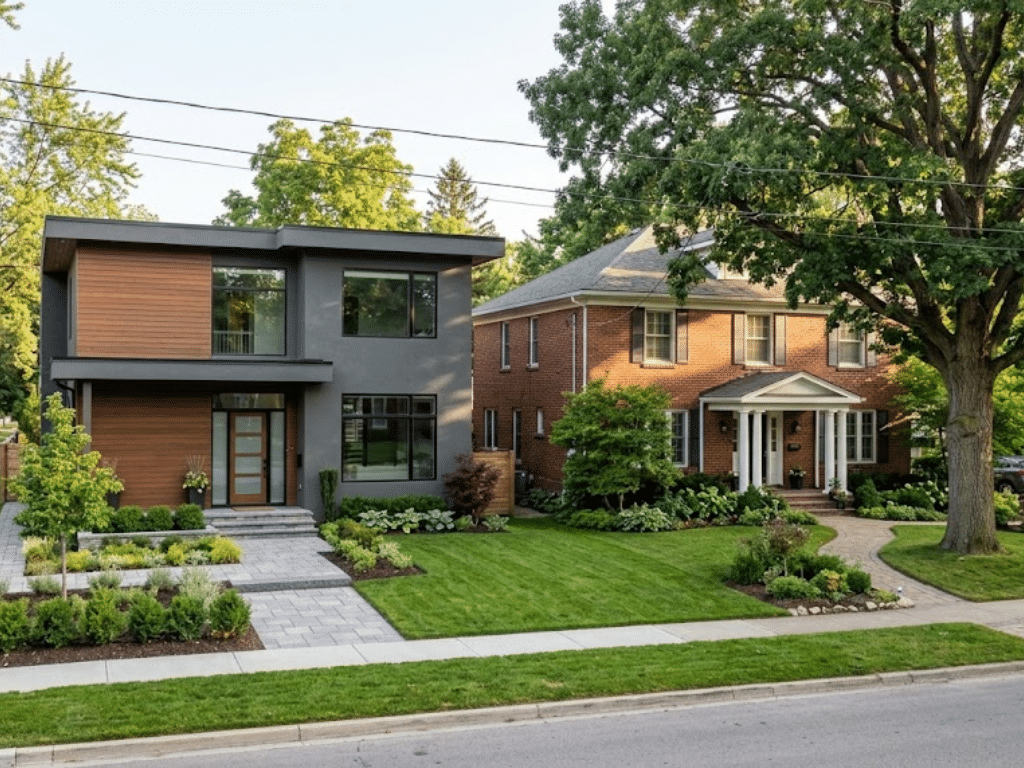
For decades, buying a newly built home usually meant paying more than you would for an existing property. New appliances, modern layouts, fewer expected maintenance issues, and the ability to personalize finishes all contributed to the higher price. But the housing market has experienced an unusual shift: in the period discussed in this market analysis, newly built homes were selling for less than resale homes nationwide.
For buyers considering a move, this creates an opportunity worth exploring. The difference goes beyond the advertised purchase price, too. Builder incentives, closing cost assistance, mortgage rate buydowns, and other offers can make certain new construction homes even more competitive.
So, why has this happened, and what should buyers consider before choosing between a new home and a resale property?
New Construction Prices Have Fallen Below Resale Prices
Historically, new construction homes have carried a price premium over existing homes. However, the national housing figures discussed in this market update showed a reversal of that pattern.
In June, the median sales price of a newly built home was reported at approximately $47,200 below the median price of an existing home, representing a discount of around 6.12%. In July, the difference narrowed to approximately $19,000, or roughly 4%.
The analysis also described July as the fourth consecutive month in which newly built homes nationwide were less expensive than existing homes, marking an unusually long stretch compared with historical records.
This is a significant change from the traditional relationship between new and resale home prices. Instead of automatically paying more for a brand-new property, buyers in some markets may find that new construction offers a lower starting price.
Note: These figures are historical market snapshots discussed in the original analysis, not current price statistics.
Why Are New Homes Becoming More Affordable?
Several factors help explain why new construction prices have become more competitive.
New home prices have moved in a different direction
The analysis noted that new home prices peaked in late 2022 and gradually moved downward afterward. Meanwhile, existing home prices continued rising, reaching record levels in 2024 and early 2025.
This difference in pricing trends contributed to the unusual situation in which newly built homes became less expensive than previously owned properties.
Builders are offering significant incentives
One of the biggest differences between buying new construction and resale is the flexibility builders may have when negotiating with buyers.
Builders with unsold inventory have an incentive to move completed homes. As a result, some are offering promotions that go beyond reducing the listed purchase price.
These incentives can include:
- Cash credits at closing
- Assistance with closing costs
- Mortgage rate buydowns
- Design center credits
- Price reductions
- Other buyer incentives
Scott also shared that his team had personally encountered substantial builder incentives, including credits exceeding $200,000 on certain quick move-in homes.
These offers were associated with completed or nearly completed properties that could be ready for occupancy within approximately 30 to 90 days, rather than homes that still needed to be built from the ground up.
The important takeaway is that buyers should look beyond the advertised price. A builder offering closing cost assistance or a lower mortgage rate may provide a better overall deal than the purchase price alone suggests.
Incentives vary by builder, community, property, financing arrangement, and availability, so buyers should review the complete terms before making a decision.
New Homes May Offer More Space for the Money
Builders have also responded to affordability challenges by developing smaller, more affordable floor plans. These homes can cost less to construct and may be priced to reach a broader range of buyers.
Even with this shift, the analysis found that newly built homes were still generally larger than existing homes in the national comparison.
The figures shared in the video showed:
- New construction: approximately $218 per square foot
- Existing homes: approximately $226 per square foot
Based on those figures, buyers were paying less per square foot for new construction on a national level.
That can make a difference when comparing properties. A lower purchase price is helpful, but the amount of living space included in that price also matters.
Why Builders Are More Motivated Than Individual Home Sellers
One of the most important explanations for the price difference comes down to inventory and seller motivation.
The analysis cited approximately 9.2 months of supply for new homes nationwide, compared with about 4.7 months for existing homes. This larger supply gives builders a stronger reason to compete for buyers.
Builders may have hundreds or thousands of homes in their inventory. Carrying unsold properties can be expensive, so they may reduce prices or offer incentives to encourage sales.
Individual homeowners often have a different approach.
A homeowner selling one property may decide not to accept an offer below their expectations. If the home does not sell at the desired price, they can withdraw the listing and wait for market conditions to improve.
This difference creates two distinct selling strategies:
- Builders: May offer discounts and incentives to move available inventory.
- Individual sellers: May be more willing to wait rather than reduce their asking price.
That difference in motivation helps explain why new construction prices have adjusted while resale prices have remained comparatively firm in the national figures discussed.
Does Location Explain the Price Difference?
Geography also plays a role in national housing statistics.
A significant share of new construction activity takes place in lower-cost regions, particularly in the South. The analysis noted that these areas accounted for a larger portion of new home sales than resale transactions.
Because home prices vary considerably by region, this can pull the national median price of new homes downward.
However, the geographic difference alone does not fully explain the recent price inversion. The larger supply of new homes and the willingness of builders to offer incentives are also important parts of the picture.
For buyers in Los Angeles, this is especially important. National statistics do not automatically reflect local pricing conditions. The availability of new construction, the location of a development, and competition among builders can all affect the opportunities in a particular community.
Could Resale Home Prices Eventually Adjust?
The difference between new and resale prices raises another question: can existing home prices remain elevated if buyers have more affordable alternatives?
The market analysis discussed two possible outcomes.
First, resale sellers may eventually become more flexible and lower their asking prices to attract buyers. If affordability remains a challenge, some homeowners may need to adjust their expectations.
Second, homeowners may be able to wait until economic conditions improve. Lower mortgage rates or rising incomes could bring more buyers back into the market, allowing sellers to maintain their prices without making substantial reductions.
Neither outcome guarantees a housing market crash. The analysis pointed out that new home prices had declined by approximately 5% from their 2022 peak, describing the movement as a gradual adjustment rather than a collapse.
Ultimately, the direction of the resale market will depend on factors such as buyer demand, mortgage rates, inventory, and how willing sellers are to negotiate.
What Buyers Should Consider Before Choosing New Construction
The price difference makes new construction worth considering, but the lowest advertised price is not automatically the best deal.
Buyers should compare the complete cost and value of each property.
Look at the total cost, not just the listing price
Ask builders about available incentives, including closing cost credits, mortgage rate buydowns, and design center allowances. Understand how each offer affects your overall purchase and monthly payment.
Compare similar homes
Look at properties with comparable square footage, layouts, locations, and features. A new home in a developing community may offer a different lifestyle and location than an existing home in an established neighborhood.
Understand the builder’s incentives
Some promotions may require buyers to use a preferred lender or meet specific financing conditions. Others may apply only to selected homes or have expiration dates. Review the terms carefully before committing.
Consider the move-in timeline
Quick move-in homes may be appealing to buyers who want a relatively short wait. A home that is already completed or nearing completion can offer a different timeline from a property that has yet to be constructed.
Work with someone who understands the local market
National trends are useful, but local knowledge matters when comparing specific communities and properties. A real estate professional familiar with both new construction and resale transactions can help evaluate pricing, incentives, builder terms, and comparable homes.
Is New Construction the Better Deal Right Now?
New construction is not automatically the right choice for every buyer. Some people prefer established neighborhoods, mature landscaping, unique architectural details, or the character of an older home. Others prioritize modern layouts, newer appliances, and the possibility of customizing certain finishes.
But when new homes are priced below comparable resale properties and builders are offering substantial incentives, overlooking new construction could mean missing an opportunity.
The most important step is to compare the complete value of each option, including the purchase price, financing, incentives, location, features, and move-in timeline.
For buyers who have flexibility and are willing to explore different communities, new construction may offer more value than expected. The market conditions described in this analysis represent an unusual moment in housing history, but they will not last indefinitely.
Before making a decision, compare both new and existing homes carefully. The best choice is the one that fits your budget, priorities, and long-term plans.
Work with Scott