

Preparing Your Porter Ranch Home for California’s Long, Hot Summers
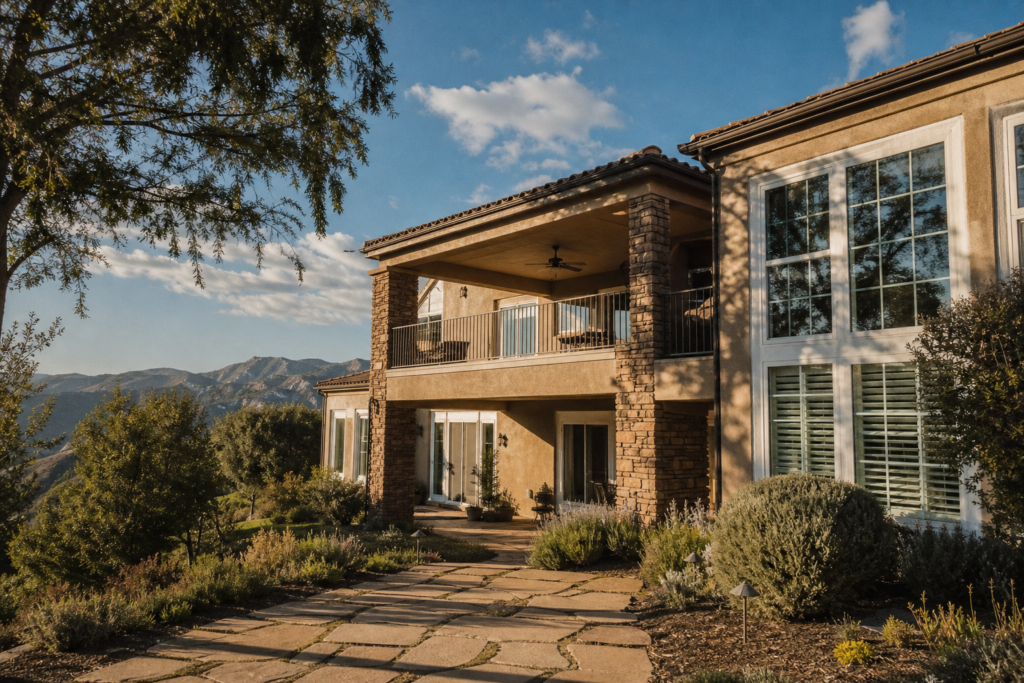
How should you prepare your Porter Ranch home for the extreme heat that hits the San Fernando Valley every summer?
Start with your HVAC system, seal your ductwork, manage solar heat gain through your windows, and create a wildfire-safe perimeter, because Porter Ranch summers regularly push past 100°F and your home needs to be ready.
Why This Matters Right Now in Porter Ranch
If you live in Porter Ranch, you already know the drill. The cool marine layer gets blocked by the Santa Monica Mountains, and while coastal neighborhoods sit comfortably in the low 80s, your side of the range can swing 10 to 20 degrees hotter on the same afternoon, according to National Weather Service data. We’re talking peak afternoon temperatures of 95 to 105°F as a routine occurrence, with 15 to 25 days each summer cracking 105 to 110°F and occasional extreme heat events pushing past 110°F.
I’ve worked Porter Ranch for over 21 years and closed more than 500 transactions across this community. One thing I always tell my clients: summer preparation isn’t just about comfort. It’s about protecting a significant investment. With the median sale price in Porter Ranch at approximately $1,262,000 as of June 2026, per local MLS data, the stakes for maintaining your property are real. Let me walk you through exactly what you need to do.
Your Porter Ranch HVAC System Is Your First Line of Defense
This is the single most important system in your home from May through October, and it’s the one most homeowners neglect until something breaks.
Schedule a Professional Tune-Up Before Peak Season
According to Angi data, an HVAC tune-up costs an average of $250, which is less than half the cost of the average HVAC repair bill. That’s a no-brainer trade-off. A professional inspection should include cleaning or replacing air filters, checking refrigerant levels, and inspecting electrical connections.
What does that actually mean for your daily life? It means your system runs efficiently when you need it most, instead of failing on a 108°F afternoon when every HVAC tech in the Valley is booked solid.
Change Your Filters Monthly During Peak Cooling Season
In Porter Ranch’s dry, dusty environment, especially for homes along Sesnon Boulevard and the upper hillside communities near the Santa Susana foothills, filters clog faster than manufacturer guidelines suggest. A dirty filter restricts airflow and forces your blower motor to work twice as hard. Check your filters once a month during peak cooling season, no exceptions.
Set Your Thermostat Strategically
The Department of Energy recommends 78°F when you’re home and 80°F when you’re away. If you haven’t upgraded to a smart thermostat yet, this is the year. Programmable models let you automate temperature adjustments around your schedule, so your system isn’t working overtime cooling an empty house while you’re grabbing coffee at best markets and shopping spots in Porter Ranch.
Sealing Ductwork Leaks in Your Porter Ranch Home
Here’s a stat that surprises most homeowners: according to the Department of Energy, the average home loses about 20% to 30% of conditioned air through duct leaks and poor connections. You’re literally paying to cool your attic or crawlspace.
If you notice that some rooms are significantly warmer than others, or you hear whistling sounds when your AC runs, those are telltale signs of duct leaks. This is especially common in Porter Ranch homes built in the 1980s and 1990s in the lower community below Rinaldi Street, where original ductwork may not have been updated.
Newer construction in communities like Hillcrest, Westcliffe, and The Canyons at Porter Ranch, many built by Toll Brothers, tends to have tighter duct systems from the start. I’ve guided clients through new construction versus resale home purchases in these communities extensively, and one advantage of buying newer is that energy-efficient systems, including sealed ductwork, are typically part of the package. But even newer homes benefit from periodic inspection, because connections can vibrate loose over time.
Managing Solar Heat Gain Through Your Porter Ranch Windows
Your windows are one of the primary sources of heat gain in your home, and in Porter Ranch, those sweeping views of the Santa Susana Mountains come with a trade-off: massive sun exposure.
South and West-Facing Windows Need Attention First
During the hottest parts of the day, keep blinds or heavy curtains closed on south and west-facing windows. This is especially critical for homes along Porter Ranch Drive and the upper hillside communities where afternoon sun exposure is intense.
Consider Heat-Reflective Window Film
Heat-reflective window films allow natural light into your home while blocking a significant portion of the infrared radiation that drives temperatures up. By reducing the load on your HVAC system, you make it dramatically easier for your unit to maintain a steady, comfortable temperature. For homeowners in the $1.2 to $1.5 million range, where homes in Porter Ranch typically feature open floor plans and large windows, this upgrade can meaningfully reduce cooling costs.
Don’t Overlook Insulation
Proper insulation in walls, ceilings, and especially attics prevents heat transfer from outdoors. If your Porter Ranch home is an older resale property, have a professional evaluate whether your insulation meets current standards. I always tell my clients that this is one of the highest-return comfort upgrades you can make.
Ceiling Fans, LED Bulbs, and Reducing Internal Heat in Porter Ranch
Small changes inside your home compound into real comfort differences. Ceiling fans set to run counterclockwise at higher speed during summer create a wind-chill effect that makes you feel up to four degrees cooler, according to energy efficiency research. That allows you to raise your thermostat slightly without losing comfort.
The key: turn fans off when you leave a room. They cool people, not spaces, so running them in empty rooms wastes electricity.
Switching to LED bulbs also helps more than you might expect. Older incandescent bulbs generate meaningful heat, especially when several run simultaneously. And if your appliances are more than 10 years old, consider upgrading to ENERGY STAR-rated models that run more efficiently and produce less heat.
Want to take it a step further? Ventilate your home in the early morning hours by opening windows and doors to flush out overnight heat, then seal everything up before temperatures climb. Seal any cracks around windows and doors to keep cool air in and hot air out throughout the day.
Wildfire Preparedness for Porter Ranch Hillside Homes
This is not optional. Porter Ranch’s location at the foot of the Santa Susana Mountains, near the wildland-urban interface, makes wildfire preparedness a critical summer priority. The combination of extreme temperatures regularly exceeding 100°F and proximity to undeveloped hillsides creates conditions where fire prevention becomes essential.
With over 21 years serving Porter Ranch and more than 500 closed transactions in the San Fernando Valley, I’ve watched this community navigate fire risk firsthand. Here’s what I recommend:
- Clear defensible space around your home by removing dried landscaping, woodpiles, and outdoor furniture cushions from your home’s exterior perimeter
- Install ember-resistant vents and screens, as embers can travel miles ahead of wildfire fronts
- Pay attention to your electrical system during summer months when air conditioning units strain older circuits
- Plant shade trees strategically near west and south-facing windows, choosing fire-resistant species that serve double duty as heat reduction and defensible landscaping
For homes in the gated upper communities like Sorrento, Hillcrest, and Westcliffe, many HOAs maintain common area vegetation, but your individual lot perimeter is your responsibility.
Outdoor Living Strategy for Porter Ranch Summers
Many Porter Ranch homes, particularly in the upper communities, feature patios, outdoor kitchens, and pools. But unshaded outdoor space becomes essentially unusable from 11 AM through 7 PM during peak summer, when surface temperatures in direct sun can reach 95 to 110°F or higher.
Pergolas and shade structures reduce perceived temperatures by 15 to 25°F through radiation blockage, turning an otherwise abandoned patio into functional living space. Your best usable hours without shade are morning, from roughly 6 to 10 AM, so plan outdoor entertaining accordingly or invest in proper coverage.
Frequently Asked Questions
How hot does Porter Ranch actually get during summer?
Porter Ranch, located in the San Fernando Valley, routinely sees peak afternoon temperatures of 95 to 105°F during summer, with 15 to 25 days annually exceeding 105°F. The National Weather Service has issued Extreme Heat Warnings with Valley temperatures expected as high as 108°F, and occasional heat wave events push past 110°F.
How often should I change my HVAC filter in Porter Ranch?
Check your air filter once a month during peak cooling season, which runs roughly May through October. In Porter Ranch’s dry, dusty environment near the Santa Susana foothills, filters clog faster than standard manufacturer timelines suggest, restricting airflow and forcing your system to work harder.
What temperature should I set my thermostat during summer?
The Department of Energy recommends 78°F when you’re home and 80°F when you’re away. Pairing this with a smart thermostat that automates adjustments around your schedule ensures you’re not cooling an empty house.
How much does an HVAC tune-up cost in 2026?
According to Angi data, an HVAC tune-up costs an average of $250, which is less than half the cost of a typical HVAC repair bill. Scheduling this before summer peak is one of the smartest preventive investments you can make.
How much air do I lose through leaky ductwork?
According to the Department of Energy, the average home loses about 20% to 30% of conditioned air through duct leaks and poor connections. If some rooms feel significantly warmer than others, or you hear whistling when your AC runs, it’s time for a duct inspection.
Do ceiling fans actually reduce temperature in my Porter Ranch home?
Ceiling fans don’t lower room temperature, but they create a wind-chill effect that makes you feel up to four degrees cooler. Set them to counterclockwise rotation at higher speed during summer, and remember to turn them off when you leave the room since they cool people, not spaces.
Is wildfire preparedness really necessary in Porter Ranch?
Absolutely. Porter Ranch sits at the foot of the Santa Susana Mountains near the wildland-urban interface. Summer temperatures exceeding 100°F combined with proximity to undeveloped hillsides make fire prevention essential. Clear defensible space and consider ember-resistant vents and screens.
Will heat-reflective window film help reduce my cooling costs?
Yes. Window film blocks a significant portion of infrared radiation while allowing natural light in, reducing the thermal load on your HVAC system. This is especially impactful for Porter Ranch homes with large windows and open floor plans oriented toward mountain views.
What are the best outdoor hours during a Porter Ranch summer?
Without shade, morning hours from roughly 6 to 10 AM are comfortable at 70 to 85°F. By late morning, conditions become marginal at 85 to 95°F, and midday through evening is essentially unusable in unshaded outdoor space. Shade structures reduce perceived temperatures by 15 to 25°F.
Does newer construction in Porter Ranch handle summer heat better?
Generally, yes. Newer Toll Brothers and similar construction in communities like Hillcrest, Westcliffe, and The Canyons typically includes energy-efficient systems and tighter ductwork. However, even newer homes benefit from regular filter changes, thermostat optimization, and seasonal maintenance.
The Bottom Line
Preparing your Porter Ranch home for summer isn’t a one-time checklist; it’s a seasonal discipline that protects both your comfort and your investment. With median home values at approximately $1,262,000 as of June 2026 (per local MLS data) and appreciation running at 3.3% year over year, your property deserves proactive care.
I’ve built my business in Porter Ranch over more than 21 years because I understand how this community works, from the gated enclaves above Sesnon Boulevard to the resale homes below Rinaldi Street. With over 500 closed transactions, 103 client reviews at a 5.0 out of 5.0 average rating, and recognition as a top 1.5% agent nationwide by RealTrends, I bring that same attention to detail whether I’m helping you prepare a home for summer or prepare it for market. If you have questions about your Porter Ranch home, call me at 818-396-3311 or visit ScottWorks4u.com. I’m always happy to help.
Work with Scott