

What It’s Like to Own a Home in an Established Granada Hills Community
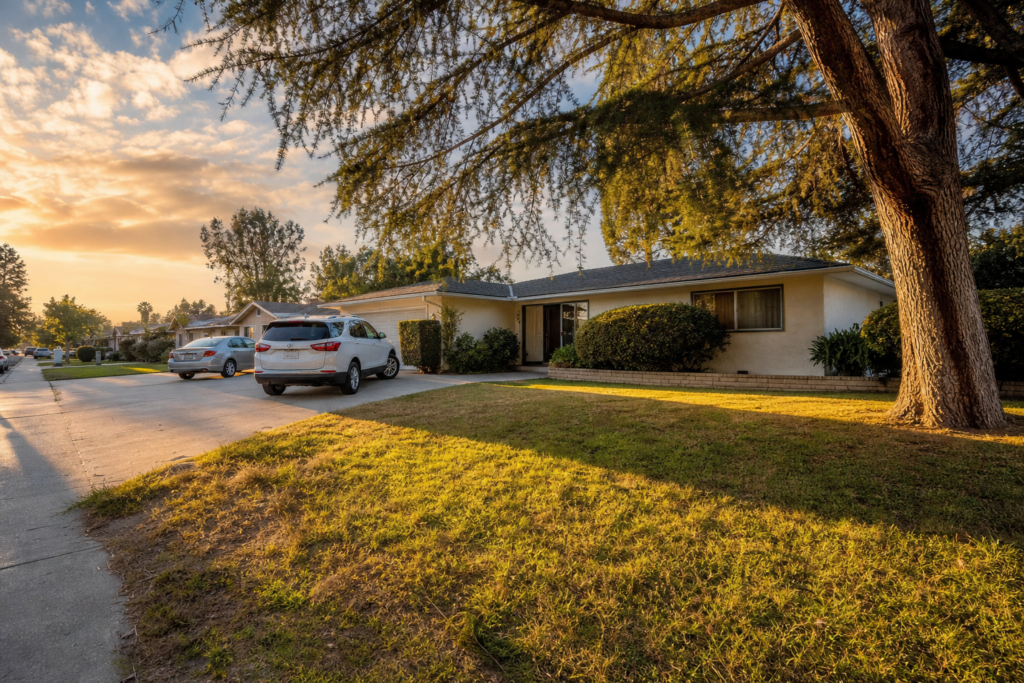
What is it really like to own a home in one of Granada Hills’ established neighborhoods?
Owning in Granada Hills means living in a mature, tree-lined community with strong schools, steady appreciation, and a small-town feel that’s increasingly rare inside Los Angeles County.
Why Granada Hills Homeownership Matters Right Now
If you’ve been watching the San Fernando Valley market, you already know that Granada Hills has quietly become one of the northwest Valley’s most compelling places to put down roots. As of September 2026, the median closing price across 268 tracked sales hit $1,000,000, per CRMLS data. That’s not a speculative spike. It’s the product of decades of owner-occupant demand, strong schools, and a community that genuinely resists the kind of overdevelopment that changes a neighborhood’s DNA.
I work this market extensively. Granada Hills sits directly adjacent to Porter Ranch, which has been one of the core markets I’ve built my business in over the years. The two communities share a buyer pool, and I’ve watched firsthand how pricing shifts in Porter Ranch telegraph what’s coming in Granada Hills within a quarter or two. That overlap gives me a perspective most agents simply don’t have. With over 500 closed transactions and 21 years in the San Fernando Valley, I can tell you: this community rewards patient, informed ownership.
The Three Distinct Pockets of Granada Hills You Need to Understand
Granada Hills is not one uniform neighborhood. It’s actually three distinct micro-markets, and understanding which one you’re buying into changes everything about your ownership experience.
Old Granada Hills centers around the historic core along Chatsworth Street, where the Granada Business District dates back to 1927. You’ll find the Granada Hills Farmers Market here, plus locally owned restaurants and cafes like Lulu Bee Haven and Numero Uno Pizza. Homes in this pocket tend to be midcentury ranchers and Spanish-style properties on established lots.
Granada Hills South covers the 1950s through 1970s ranch-home tracts below the 118 Freeway. The median here sits around $910,000 as of 2026, with a price per square foot of approximately $572, up 2.8% year over year, according to CRMLS tracking. These are the classic three- and four-bedroom homes with big backyards and two-car garages.
Knollwood and Granada Hills North is the premium hillside enclave above Sesnon Boulevard. This is where you’ll find custom view lots, gated enclaves, and homes from the 1980s and 1990s looking south across the entire Valley. Median pricing here runs $1.6 million to $2.2 million. Knollwood Country Club anchors this pocket’s prestige factor.
So what does this mean for you as an owner? Your daily experience, your property’s appreciation trajectory, and even your fire insurance considerations are all shaped by which pocket you call home.
What Daily Life Actually Feels Like in Granada Hills
Here’s what I tell my clients when they ask about everyday living in this community: Granada Hills still functions like a small town inside a major city. Walk down Chatsworth Street on a Saturday morning and you’ll see it immediately. Families at the farmers market, neighbors catching up over coffee, kids riding bikes on wide, tree-canopied streets.
The streetscapes are genuinely beautiful. White Oak Avenue is famous for its Deodar Pine Trees, planted in 1932, and they remain one of the neighborhood’s most photographed features. Throughout established blocks, mature landscaping and large shade trees create that “settled” feeling you simply cannot replicate in newer developments.
Your errands stay local. Trader Joe’s, Sprouts Farmers Market, Vons, and Ralphs are all within the neighborhood’s commercial corridors. For a date night, the Odyssey Restaurant sits on a hilltop with panoramic Valley views. For a casual evening, Jug Jug Sports Bar is a longtime community staple.
Outdoor recreation is a genuine part of the lifestyle here. O’Melveny Park offers hiking trails and scenic picnic spots on the neighborhood’s northern edge. Petit Park provides children’s play areas, basketball courts, and baseball fields. The Granada Hills North pocket offers direct trail access from some streets.
The community calendar stays active, too. The annual Granada Hills Street Fair draws the entire northwest Valley, and seasonal events like Oktoberfest and the holiday parade reinforce bonds that keep homeowners here for decades. The demographics reflect that stability: the homeownership rate sits at 72.1%, and the median age is 43.5 years, per Census data.
Schools: Granada Hills’ Biggest Draw and What It Means for Your Home Value
If you’re a parent considering Granada Hills, let me be direct: Granada Hills Charter High School is the single biggest driver of property demand in this community. It carries a GreatSchools rating of 9 out of 10, ranking in the top 14% in California, with a 10 out of 10 for Test Scores and 9 out of 10 for both Student Progress and College Readiness. Niche ranks it number 35 among all public high schools in California.
What does that mean for your home’s value? According to CRMLS data, the charter school corridor reputation has translated to approximately $110,000 to $140,000 in added value on a median-priced home near the school. That’s not abstract. It’s equity you build simply by owning in the right location.
According to C.A.R., the charter school corridor reputation drives 28% of buyer decisions in this market. I see it constantly in my work across the northwest Valley. Buyers relocating from Reseda, North Hills, and even from Porter Ranch actively target Granada Hills specifically for this school. When you own here, you benefit from that perpetual demand.
How Granada Hills Homes Hold and Build Value Over Time
One of the most common questions I hear from both buyers and long-term owners is whether their Granada Hills home is keeping pace. The short answer: yes, and consistently.
As of May 2026, year-over-year appreciation in Granada Hills ran roughly 3.0%, with a list-to-sale ratio near 99.1%, according to C.A.R. data. The three-year appreciation trend of 5.6% reflects steady, premium-neighborhood growth rather than the volatile swings you see in more speculative markets. C.A.R. projects 3% to 5% annual appreciation through 2028.
What’s driving that stability? A few key factors:
- High owner-occupancy. The investor share has declined to just 8%, meaning your neighbors are invested in the community, not flipping for profit.
- Spillover demand from Porter Ranch. Granada Hills’ transaction volume growth of 10.3% is accelerating as Porter Ranch price increases push buyers eastward. Having built a core part of my business in Porter Ranch, I see this dynamic play out constantly. Buyers who love the northwest Valley lifestyle but want more square footage per dollar naturally gravitate to Granada Hills.
- ADU potential. The generous lot sizes in Granada Hills South and Old Granada Hills make ADU construction financially viable, adding income and value to existing properties.
Turnkey homes near $1 million continue to draw multiple offers. In May 2026, the median days on market was approximately 20 days, per CRMLS data. Move-in-ready properties in the Premium Zone north of Rinaldi go even faster, typically 14 to 22 days when correctly priced.
What Every Granada Hills Homeowner Should Know About Costs and Considerations
Owning in an established community comes with specific financial realities you should plan for.
Property taxes and transfer costs work in your favor here. Granada Hills falls within the County of Los Angeles but not within the City of Los Angeles, meaning sellers pay only the county transfer tax of $1.10 per $1,000 of sale price. On a $1 million sale, that saves approximately $3,400 compared to properties inside city limits. Understanding home purchase financial considerations is essential before making any offer.
Housing stock age is something to budget for. Typical homes in Granada Hills range from 58 to 71 years old, reflecting the community’s midcentury origins. That means you may encounter older plumbing, electrical panels that need updating, or original single-pane windows. I always advise my clients to get thorough inspections and budget for maintenance on homes of this vintage.
Fire zone awareness is essential if you’re looking at Granada Hills North. The Very High Fire Hazard Severity Zone boundary cuts through north Granada Hills, generally north of Rinaldi Street. This affects insurance requirements and costs. Proactive awareness and proper disclosure are key.
Seasonal timing matters. Q2, April through June, is peak family buying season with the highest median prices and lowest days on market. Q4, October through December, sees slower activity. If you’re selling, that spring window is your best leverage.
Frequently Asked Questions About Owning a Home in Granada Hills
What is the median home price in Granada Hills in 2026?
As of September 2026, the median closing price across 268 tracked sales was $1,000,000, per CRMLS data. However, pricing varies significantly by pocket. Granada Hills South averages around $910,000, while Knollwood and Granada Hills North ranges from $1.6 million to $2.2 million.
How fast are homes selling in Granada Hills?
In May 2026, the median days on market was approximately 20 days, per CRMLS data. Move-in-ready homes in desirable pockets sell in 14 to 22 days, while homes needing significant work or priced above their condition can sit 45 to 60 or more days.
Is Granada Hills in a fire zone?
Parts of Granada Hills North, generally above Rinaldi Street, fall within the Very High Fire Hazard Severity Zone. This is a required disclosure item in the California Natural Hazard Disclosure statement. It can also affect your insurance options and premiums.
How much does the Granada Hills Charter High School add to home values?
According to CRMLS data, homes near the charter school corridor command approximately $110,000 to $140,000 in added value compared to otherwise similar homes in nearby Northridge.
What is the homeownership rate in Granada Hills?
Census data shows a homeownership rate of 72.1% in Granada Hills, significantly higher than the Los Angeles average. This high owner-occupancy contributes to community stability and consistent property maintenance.
Are there good grocery and dining options in Granada Hills?
Yes. Trader Joe’s, Sprouts Farmers Market, Vons, and Ralphs all have locations within the community. Local dining favorites include the Odyssey Restaurant, Numero Uno Pizza, and Lulu Bee Haven, among others.
How does Granada Hills compare to Porter Ranch in price?
Granada Hills generally offers more square footage per dollar than Porter Ranch. Per C.A.R. data, Granada Hills shows three-year price growth of 5.6% compared to Porter Ranch at 7.2%, meaning you’re buying into a slightly lower entry point with strong upside.
What are the best parks in Granada Hills?
O’Melveny Park is the standout, offering hiking trails and scenic views on the northern edge. Petit Park provides sports courts, play areas, and a recreation center. Granada Hills North offers direct trail access from certain streets.
Can I build an ADU on my Granada Hills property?
Many Granada Hills lots, especially in the South and Old Granada Hills pockets, have generous dimensions well suited for ADU construction. ADU-equipped properties are among the fastest appreciating in the area, reflecting both rental income potential and added square footage.
Is Granada Hills a good long-term investment?
According to C.A.R. projections, Granada Hills is expected to see 3% to 5% annual appreciation through 2028. The declining investor share of 8% and strengthening owner-occupant market produce the kind of stable, long-term growth that benefits patient homeowners.
The Bottom Line on Owning in Granada Hills
Owning a home in an established Granada Hills community means more than just holding real estate. It means living in a neighborhood where people stay, where schools create lasting demand, and where your investment grows steadily rather than speculatively. The small-town character, the mature tree canopy, the local businesses along Chatsworth Street: these are the things that make ownership here feel different from most of Los Angeles.
Having worked this market closely alongside my core Porter Ranch business for over two decades, with more than 500 closed transactions and a 5.0-star rating across 103 client reviews, I know how to help you navigate every pocket and price point in Granada Hills. Whether you’re buying your first home in Granada Hills South or selling a hillside estate in Knollwood, I’d welcome the conversation. Call me at 818-396-3311, and let’s talk about what ownership in this community looks like for you.
Work with Scott