

How the 1994 Northridge Earthquake Changed Residential Construction in Porter Ranch
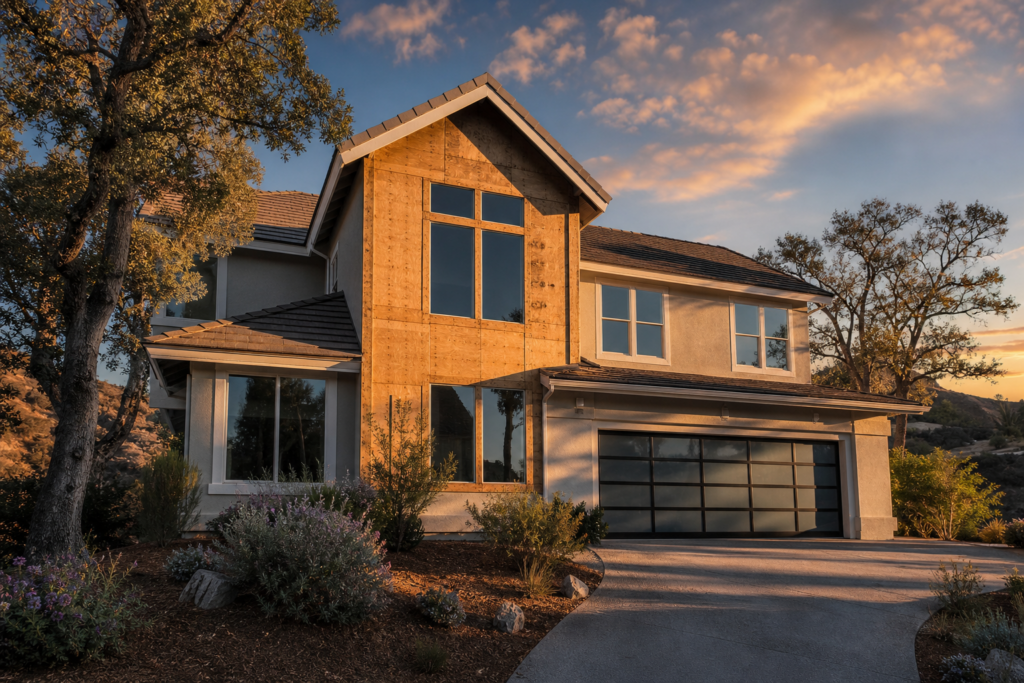
How did the 1994 Northridge earthquake reshape the way homes are built in Porter Ranch and across the San Fernando Valley?
The magnitude 6.7 Northridge earthquake exposed critical weaknesses in residential construction standards, triggering a complete overhaul of building codes that directly shaped the safer, more resilient homes you find in Porter Ranch today.
Why This Matters for Porter Ranch Buyers and Sellers Right Now
If you’re shopping for a home in Porter Ranch or thinking about selling one, the 1994 earthquake isn’t ancient history. It’s the reason your home was built the way it was. Much of Porter Ranch’s residential development expanded significantly after 1994, which means the community’s housing stock directly benefited from the stricter seismic codes that the earthquake forced into existence.
As someone who has spent over 21 years working in this market and closed more than 500 transactions across the San Fernando Valley, I can tell you that understanding the construction era of a home is one of the most important factors in evaluating its value. When I walk a buyer through a newer construction property along Sesnon Boulevard versus an older resale in neighboring Northridge or Chatsworth, the conversation about structural standards comes up almost every time. It matters, and it should matter to you.
So what exactly changed? Let me walk you through the full story.
What the 1994 Northridge Earthquake Revealed About Valley Construction
At 4:31 a.m. on January 17, 1994, a previously unknown fault ruptured directly beneath the San Fernando Valley. According to USGS data, the earthquake killed 57 people, injured 8,700, and caused damage estimated between $13 billion and $40 billion. The upward pulse characteristic of a thrust fault produced vertical accelerations exceeding 1.0g at some sites, literally throwing objects off surfaces.
Here’s the part that shocked the engineering community: the ground motions at many sites exceeded the design levels specified by the building code for the Northridge area. According to USGS analysis, the Northridge fault was entirely absent from the pre-1994 hazard database, meaning code-compliant buildings were subjected to forces beyond their design basis.
What does that actually mean for you as a homeowner or buyer? It means that before 1994, a home could be built to code and still be dangerously vulnerable. Three major residential construction weaknesses were exposed:
- Stucco as primary lateral resistance. Portland cement plaster (stucco) was commonly used as the sole lateral bracing in wood-frame homes, per ARES Consulting research. It wasn’t enough.
- Soft-story apartment buildings. Structures like the Northridge Meadows apartments relied on lightly framed parking-level posts with no diagonal bracing, providing only a fraction of the code-required lateral resistance.
- Steel moment-frame connection failures. Brittle failures in welded steel connections were discovered across commercial and mid-rise residential buildings, a failure mode nobody had anticipated.
How Porter Ranch Building Codes Transformed After the Earthquake
The code changes that followed the Northridge earthquake didn’t happen in a single moment. They rolled out in waves between 1994 and the early 2000s, and their cumulative impact on how homes are built in Porter Ranch and across the Valley has been enormous.
Wood-Frame Construction Standards
According to ARES Consulting’s assessment, Los Angeles organized task forces immediately after the earthquake to review construction performance. Emergency enforcement measures were instituted for wood-frame construction, greatly reducing allowable stucco shear values. In practical terms, this meant the minimum length of shear walls (the walls that resist lateral seismic forces) had to be significantly increased. Builders could no longer rely on a stucco shell to hold your house together during an earthquake.
The 1997 Uniform Building Code Overhaul
Per Structure Magazine’s analysis, two code change cycles in 1995 and 1996 incorporated lessons learned into the 1997 Uniform Building Code. The changes focused on three critical categories: deformation compatibility, design of collectors, and design of diaphragms. New detailing requirements for concrete were added to improve ductility and ensure structures could continue supporting gravity loads even after sustaining earthquake damage.
Banning Dangerous Construction Types
According to the California Residential Mitigation Program (CRMP), Los Angeles banned new unreinforced soft-story and non-ductile concrete building construction entirely after Northridge. Mandatory retrofit programs were introduced for existing soft-story buildings constructed before 1978.
Steel Connection Revolution
The discovery of brittle moment-frame connection failures drove what the Council on Tall Buildings and Urban Habitat (CTBUH) describes as “a fundamental revision of design standards that remains in force more than thirty years later.” New pre-qualified connection designs required more complex execution but delivered verified, rather than assumed, performance under earthquake loading.
Why Porter Ranch Homes Benefit Directly From Post-Earthquake Standards
This is where the earthquake story connects directly to your buying or selling decision in Porter Ranch. The community’s development timeline is a genuine competitive advantage.
A significant portion of Porter Ranch’s residential inventory, particularly in the guard-gated communities along Sesnon Boulevard and the newer developments climbing into the hills, was built after these code changes took effect. When I guide clients through new construction communities from builders like Toll Brothers, I’m able to point out specific structural features, from enhanced holdown and anchor bolt requirements to properly engineered shear walls, that exist because of lessons learned on January 17, 1994.
Compare that to older inventory in adjacent Valley neighborhoods. For buyers weighing a home in Granada Hills or parts of Northridge against a Porter Ranch property, the construction era isn’t just about aesthetics or finishes. It’s about the fundamental structural engineering underneath those finishes. Older homes in those areas may require seismic retrofitting that post-Northridge Porter Ranch homes already have baked in by code.
As of September 2026, the median sold price in Porter Ranch is $1,230,000 across 222 closed sales, with a median price per square foot of $533, per Resideline Market Watch. Year-over-year appreciation sits at 3.3%. Part of what sustains that demand, and what I consistently see driving buyer confidence, is the quality and safety of the construction itself.
What You Should Look for When Evaluating Seismic Safety in Porter Ranch Homes
Whether you’re buying or selling, here’s what I tell my clients to pay attention to:
- Construction year matters. Homes built after 1997 benefit from the full suite of post-Northridge code changes. Homes built between 1994 and 1997 may incorporate some but not all of the emergency measures.
- Foundation connections. Enhanced holdown and anchor bolt requirements were among the most impactful changes. Ask your inspector specifically about these.
- Shear wall configuration. Post-Northridge homes should have properly engineered plywood shear walls rather than reliance on stucco for lateral resistance.
- Soft-story concerns on multi-family properties. If you’re looking at an older condo or townhome, particularly those priced closer to the $431,000 entry point in Porter Ranch, verify whether the building has completed any mandatory retrofit requirements under the Los Angeles Mandatory Seismic Retrofit Program ordinance adopted in 2015, which covers approximately 15,000 soft-story wood-frame buildings citywide, according to QuakeFYI research.
- Retrofit documentation. For pre-1994 homes, request documentation of any seismic upgrades. The California Seismic Safety Commission’s post-Northridge recommendations included stricter contractor licensing requiring seismic safety principles, per their published report “Northridge Earthquake: Turning Loss Into Gain.”
Having closed over 500 transactions and earned more than 270 verified five-star reviews, I’ve seen firsthand how construction quality influences not just safety but resale value. Buyers in Porter Ranch are savvy, and they notice when a home’s structural story adds up.
How the Earthquake Legacy Shapes Porter Ranch New Construction Today
The developments you see today along Sesnon Boulevard and in the upper hillside communities represent over three decades of refined building science. When I work with buyers in Toll Brothers communities, we’re looking at homes engineered to standards that didn’t exist before January 17, 1994. The lot selection process, the structural upgrades available, and even the foundation engineering on hillside parcels all reflect lessons that cost the Valley billions of dollars and dozens of lives to learn.
What I find most interesting in my day-to-day work is that many buyers don’t realize this advantage until I point it out. They’re drawn to Porter Ranch for the guard-gated communities, the Santa Susana mountain views, the walkable lifestyle at The Vineyards on Rinaldi Street, and the top-rated schools like Porter Ranch Community School with its 10/10 GreatSchools rating. But underneath all of that, the structural integrity of the homes themselves is a quietly powerful value driver.
For sellers, this is part of the positioning strategy I build into every listing. When I prepare a home for market using staging, preparation, and a strong digital marketing approach, I make sure qualified buyers understand what they’re getting: not just a beautiful home, but a home built to withstand the kind of seismic event that reshaped an entire industry.
Frequently Asked Questions
Did the 1994 Northridge earthquake affect Porter Ranch directly?
Yes. Porter Ranch is located in the northwest San Fernando Valley, and the entire Valley experienced significant ground motion from the magnitude 6.7 event. According to USGS data, vertical accelerations exceeded 1.0g at some sites. The earthquake’s epicenter was in Northridge, just miles from Porter Ranch, making the community directly relevant to both the damage and the resulting code changes.
Were Porter Ranch homes built before 1994 designed to withstand earthquakes?
They were designed to the codes in effect at the time, but the earthquake revealed those codes were insufficient. Per USGS analysis, the Northridge fault was absent from the pre-1994 hazard database, meaning design values did not account for the actual ground motions experienced. Homes built before 1994 may benefit from seismic retrofitting.
What specific building code changes resulted from the Northridge earthquake?
Key changes included greatly reduced allowable stucco shear values for wood-frame construction (per ARES Consulting), banning new soft-story and non-ductile concrete construction (per CRMP), mandatory toughness requirements for weld metal in seismic applications (per CTBUH), and a complete overhaul of the 1997 Uniform Building Code addressing deformation compatibility, collector design, and diaphragm design (per Structure Magazine).
Are newer Porter Ranch homes safer than older Valley homes in an earthquake?
Generally, yes. Much of Porter Ranch’s development occurred after the post-Northridge code changes took effect, meaning homes were built with enhanced shear walls, improved foundation connections, and updated seismic hazard mapping that accounts for blind thrust faults. Older homes in adjacent neighborhoods may not have these features unless they’ve been retrofitted.
What is the Los Angeles Mandatory Seismic Retrofit Program?
According to QuakeFYI research, Los Angeles adopted this ordinance in 2015, requiring owners of approximately 15,000 soft-story wood-frame buildings containing over 150,000 apartment units to complete seismic retrofits by specific deadlines. This program was a direct, though delayed, policy response to the Northridge earthquake.
How does earthquake construction era affect Porter Ranch home values?
Construction quality and era are significant value factors. As of September 2026, the median sold price in Porter Ranch is $1,230,000 across 222 closed sales, per Resideline Market Watch. Newer post-Northridge construction commands premium pricing, particularly in guard-gated communities with modern engineering standards.
Should I get a seismic inspection before buying in Porter Ranch?
I always recommend it, particularly for homes built before 1997. A qualified inspector can evaluate foundation connections, shear wall configurations, and whether the home meets current seismic standards. For post-1997 construction, the inspection is usually more confirmatory than revelatory, but it provides valuable peace of mind.
What made stucco homes vulnerable in the Northridge earthquake?
Per ARES Consulting’s assessment, stucco (portland cement plaster) was commonly used as the primary lateral resistance in wood-frame homes. The earthquake proved this was inadequate. Post-earthquake code changes greatly reduced allowable stucco shear values, requiring builders to use longer plywood shear walls for proper lateral bracing instead.
How do I find out if a Porter Ranch property has been seismically retrofitted?
Request permit records from the Los Angeles Department of Building and Safety. Any structural retrofit work should have required permits and inspections. Your real estate agent and home inspector can help you identify whether retrofit work was completed and whether it meets current standards.
Does earthquake construction history matter for Porter Ranch sellers?
Absolutely. If your home was built to post-Northridge standards, that’s a selling point worth highlighting. Buyers in Porter Ranch, where the median home moves in about 22 days with a list-to-sale ratio of 99.1% as of mid-2026 per Resideline Market Watch, are informed and safety-conscious. Properly positioning your home’s structural story is part of an effective listing strategy.
The Bottom Line
The 1994 Northridge earthquake permanently changed how homes are built across the San Fernando Valley, and Porter Ranch stands as one of the clearest beneficiaries of those changes. If you’re buying here, you’re investing in a community where the majority of the housing stock reflects over three decades of improved seismic engineering. If you’re selling, that construction quality is part of your home’s value story.
I’ve built my career in this community over 21 years, and understanding how each pocket of Porter Ranch behaves, from the guard-gated enclaves along Sesnon Boulevard to new construction in the upper hills, is what allows me to deliver results for my clients. If you have questions about a specific property’s construction history or want to understand how seismic standards affect your buying or selling strategy, I’m always happy to talk. You can reach me, Scott Himelstein, at 818-396-3311.
Work with Scott